



special fearure・column
**Unique and Unusual Omamori You Can Find at Shrines and Temples in Kyoto**
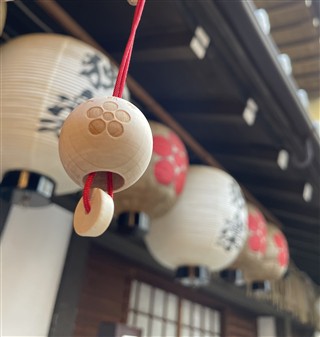
Here is the English translation of only the text you sent:
Kyoto’s shrines and temples offer a wide variety of amulets with unique designs and special blessings.
Some particularly popular examples include the “Mizu-mamori (Water Amulet)” and “Lace Amulet” from Shimogamo Shrine, the “Taigan Ume (Great Wish Plum)” from Nishiki Tenmangu Shrine, and the “Enkiri Mamori (Bad Relationship-Cutting Amulet)” from Yasui Konpiragu Shrine.
In addition, Kyoto is known for distinctive talismans such as the “Tassei no Kagi Mamori (Key to Success Amulet)” from Fushimi Inari Taisha and horse-themed amulets from Fujinomori Shrine.
Here, we introduce characteristic and noteworthy amulets from each shrine.
Shimogamo Shrine
Mizu-mamori (Water Amulet)
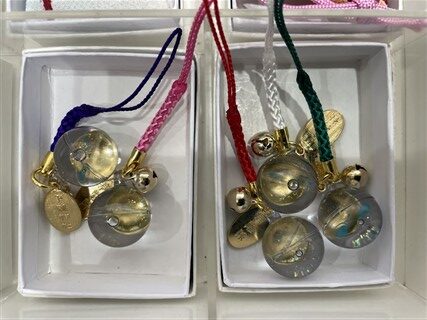
Shimogamo Shrine, located at the confluence of the Kamo River and the Takano River, is one of Kyoto’s oldest shrines, with a history dating back to before 90 BC. The shrine is closely associated with water, and the Mitarashi Pond in front of the Mitarashi Shrine within the grounds has long been believed to purify impurities and cleanse the spirit.
The Mizumamori (Water Amulet) can be received at the amulet office by the pond. Inside a clear sphere are water and the shrine’s sacred emblem, the twin hollyhock leaves (Futaba Aoi). It is said to ward off misfortune and illness. Simply holding it gives a pure, refreshing feeling, as if one’s heart has been gently cleansed.
Lace Amulet (Lace Mamori)
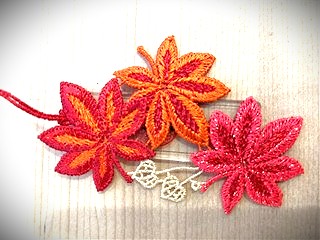
Among the many amulets available, the Lace Amulet is especially eye-catching. The amulet pouch features an elegant design of the sacred futaba-aoi (double hollyhock) motif delicately crafted in lace. When held up to the light, the inner pouch can be seen through the lace, adding to its refined beauty.
This amulet is believed to bring good fortune and happiness, and as it comes in a presentation box, it is also very popular as a souvenir or gift.
Hime Mamori (Charm for Women)
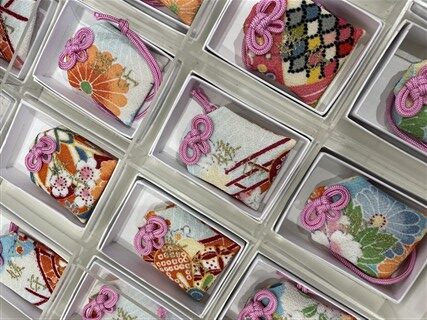
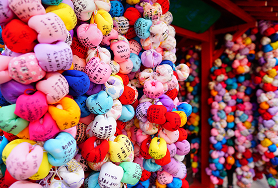
Made from chirimen (traditional crepe fabric), no two amulets share the same pattern.
The enshrined deity of Shimogamo Shrine, Tamayorihime-no-Mikoto, is revered as a goddess symbolizing feminine beauty and inner strength, her name evoking the beauty of a precious jewel.
Because the shrine is also home to Aioi Shrine, which is dedicated to matchmaking, this amulet is believed to bring blessings for romantic relationships as well as various other connections, including work, friendships, and meaningful encounters in life.
Nishiki Tenmangu Shrine
Taigan Ume (Great Wish Plum Amulet)
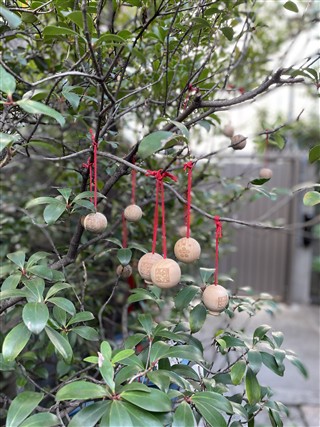
This amulet is shaped like a plum made of wood, inspired by the plum fruit beloved by Sugawara no Michizane. It was created with the wish that your personal prayers will not be seen by others.
Its round, charming shape is especially appealing. You can write your wish on a piece of paper, place it inside the amulet, seal it with a wooden stopper, and carry it with you.
It can also be hung and dedicated as an ema by tying it to the Taigan Ume Tree located at the back left of the shrine grounds.
Nakayoshi Omamori (Friendship Amulet)
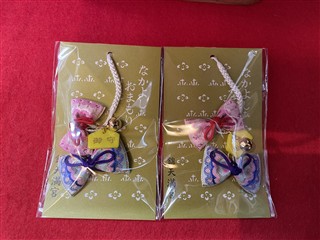
This charm features two butterflies flying together in harmony and is believed to bring blessings for romantic fulfillment as well as strong and happy relationships with friends.
Migawari Omamori (Substitute Protection Amulet)
This amulet is made from a ginkgo nut and is believed to take misfortune upon itself in place of the owner. It is said that when danger or bad luck strikes, the ginkgo nut will crack, symbolizing that the amulet has protected you from harm.
Fushimi Inari Taisha

Achievement Scroll Amulet
This amulet is prayed over for wisdom, academic success, and future achievement.
It is especially popular among students preparing for exams and those striving to accomplish personal goals.
White Fox Strap Amulet
Since ancient times, white animals have been regarded as messengers of the gods and symbols of good fortune. The white fox, revered as a divine messenger of the Inari deity, is cherished as a talisman that brings luck and happiness.
Origami Inari Shrine
A specialty of this shrine is the omamori shaped like a fox folded from a single sheet of paper, representing Inari’s messenger fox. Each is folded by hand by the shrine priest and granted with prayers for women’s business prosperity and household safety.
Historically, during the late Edo period, female attendants of Emperor Komei fell ill one after another, but prayers at this shrine led to their recovery. Since then, these charms have been said to carry guaranteed benefits. Each year, the apron color of the fox changes according to feng shui, which is another unique feature.
Fujinomori Shrine
Known as the birthplace of the Shobu no Sekku (Iris Festival), Fujinomori Shrine is associated with victory, as the word “shobu” also means “to win” or “victory” in Japanese. The shrine is therefore revered as a deity of winning fortune, attracting strong support from horse racing enthusiasts and competitors. It is also famous for the Kakeuma Shinto ritual, a horseback ceremonial event.
The shrine’s signature charm, the Kachiuma Mamori, is dedicated to those wishing for success in competitions and the strength to overcome challenges. It is commonly used by people seeking luck and perseverance in sports, work, academics, and various other endeavors.
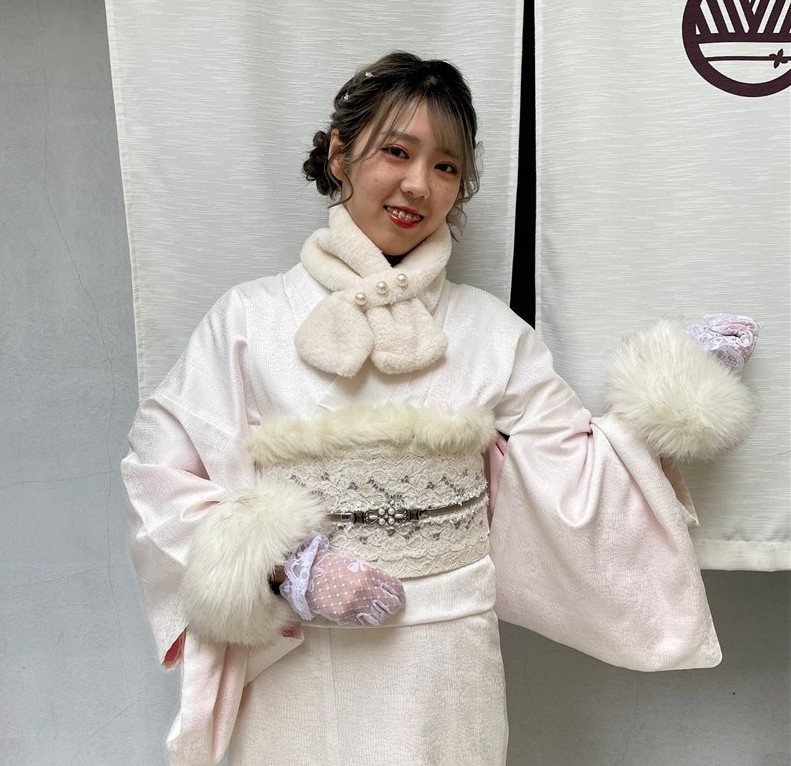
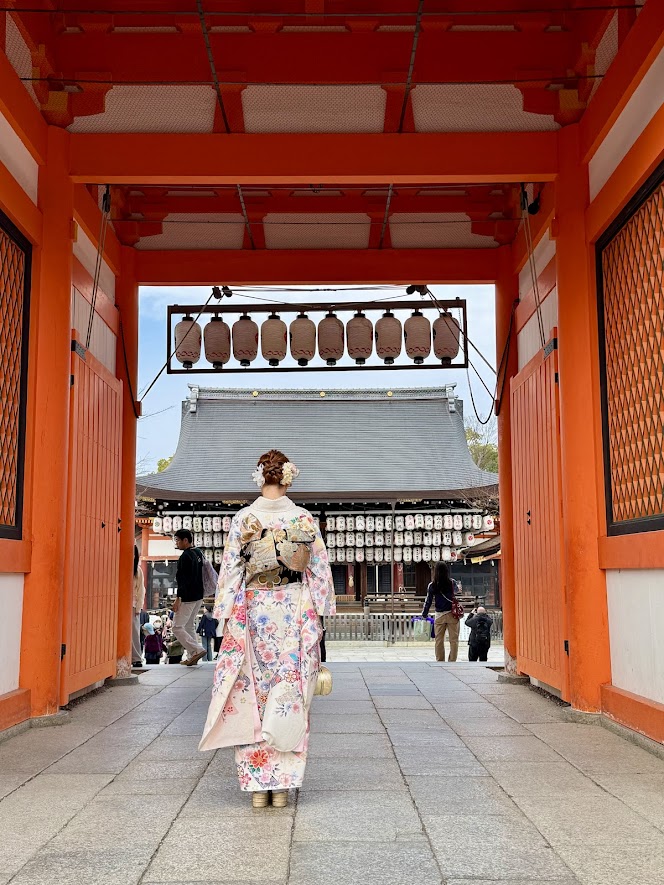
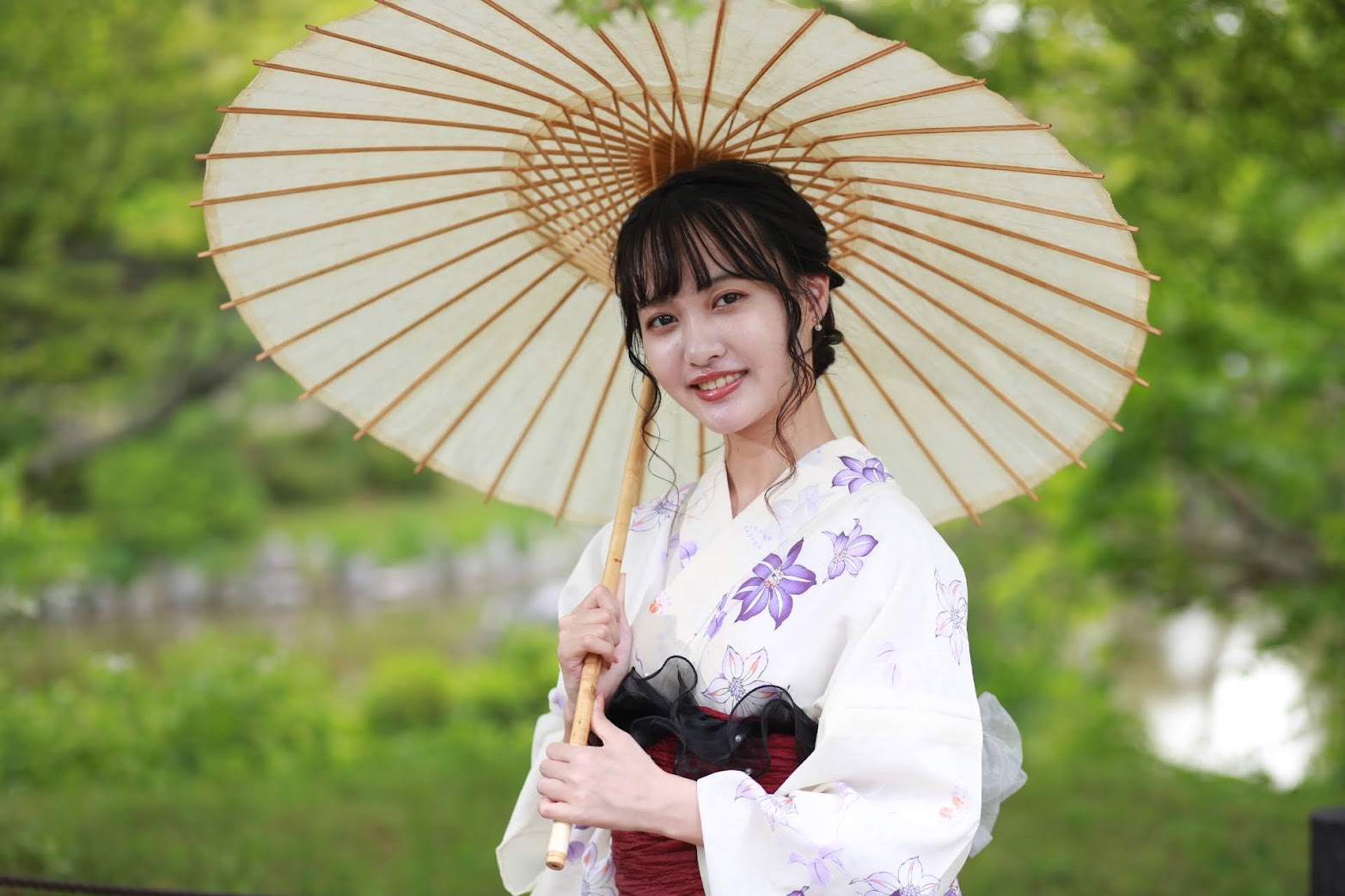
At Rental Kimono Okamoto, we offer a full range of kimonos, from retro styles to classic basics!
You’re sure to enjoy your sightseeing in Kyoto even more with the perfect kimono choice.
Website: www.okamoto-kimono.com
Instagram: @rentalkimonookamoto
TikTok: @rentalkimono_okamoto
Facebook: Rental Kimono Okamoto
X (formerly Twitter): @okamotokimono
Lit.link: lit.link/rentalkimonookamoto



Arashiyama Shop

48-4 Saga Tenryuji Kitatsukurimichicho, Ukyo-ku, Kyoto 616-8374, Japan
Phone: +81-75-950-0805 / Fax: +81-75-950-0806 / E-mail: arashiyama@okamoto-kimono.com
Nearest Station: Arashiyama (Randen Line) / JR Saga-Arashiyama Station
Rental Kimono Okamoto - Fushimi Inari shop
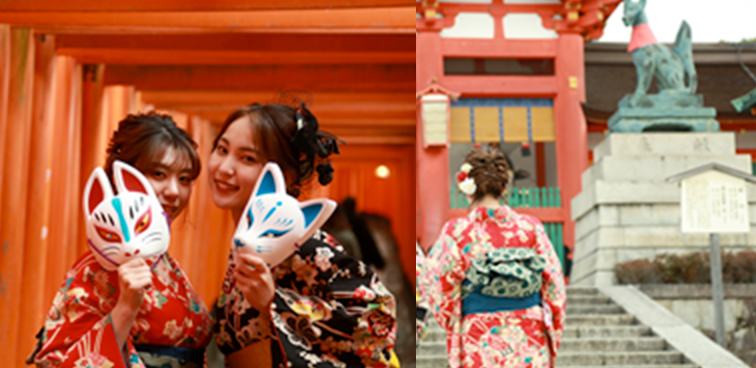
45-1, Fukakusa Inarinakanocho, Kyoto Shi Fushimi Ku, Kyoto Fu, 612-0807, Japan
Tel. +81-75-634-8900 / FAX +81-75-634-8901 / E-mail E-mail fushimiinari@okamoto-kimono.com
Nearest Station: JR Inari Station / Keihan Fushimi Inari Station
Rental Kimono Okamoto Gion Shop
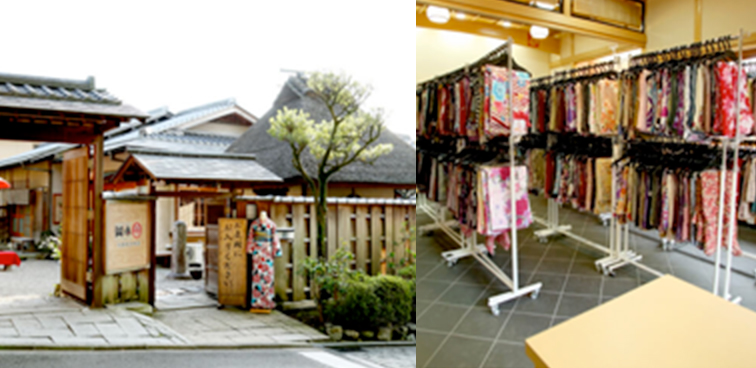
523 Washiocho, Higashiyama-ku, Kyoto 605-0072
Tel. +81-75-531-7890 / FAX +81-75-531-8383 / E-mail gion@okamoto-kimono.com
Nearest stop: City Bus Gion Stop
Rental Kimono Okamoto Kiyomizu Higashiyama Shop
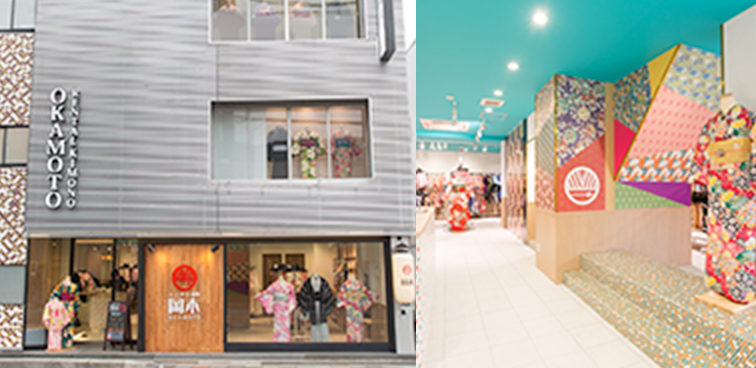
110-9 Tatsumicho, Higashiyama-ku, Kyoto 605-0855
Tel. +81-75-533-8900 / FAX +81-75-533-8910 / E-mail kiyomizuhigasiyama@okamoto-kimono.com
Nearest stop: City Bus Kiyomizumichi stop
Rental Kimono Okamoto Kiyomizu Shop
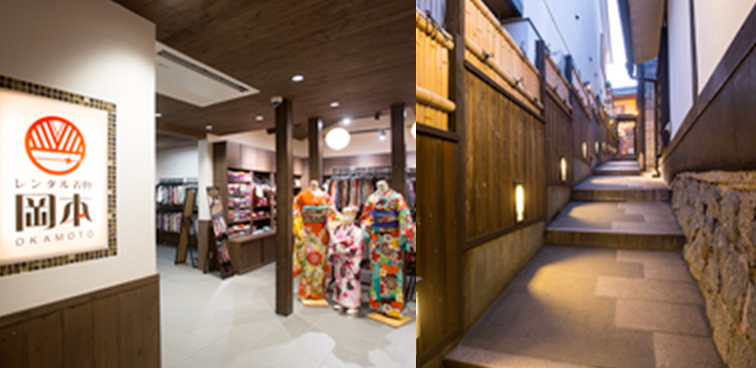
2-237-1-1 Kiyomizu, Higashiyama-ku, Kyoto 605-0862
Tel. +81-75-525-7115 / FAX +81-75-533-8960 / E-mail kiyomizuzaka@okamoto-kimono.com
Nearest stop: City Bus Kiyomizumichi stop
Rental Kimono Okamoto Main Shop
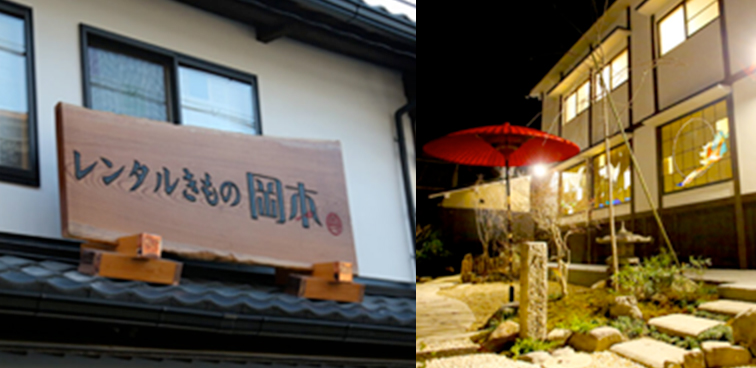
6-546-8 Gojohashihigashi, Kyoto Higashiyama-ku, Kyoto 605-0846
Tel. +81-75-532-1320 /Fax +81-75-532-1480 / E-mail honten@okamoto-kimono.com
Nearest stop: City Bus Gojozaka Stop
Rental Kimono Okamoto Yasaka Jinja Shop

301-1 Gioncho, Higashiyama-ku, Kyoto 605-0073
Tel. +81-75-532-0510 / FAX +81-75-532-0511 / E-mail yasakajinja@okamoto-kimono.com
Nearest stop: City Bus Gion Stop
You can read a feature story about our store, Kyoto and kimono.
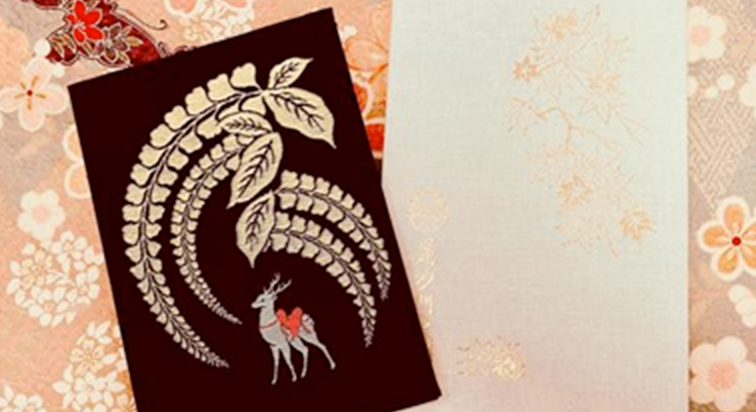
We are introducing various information on proper way of choosing kimono and others to match. Also you can access to our articles about regional, sightseeing information of Kyoto you can refert to before travelling to Kyoto.
You can read our own articles about formal kimono.
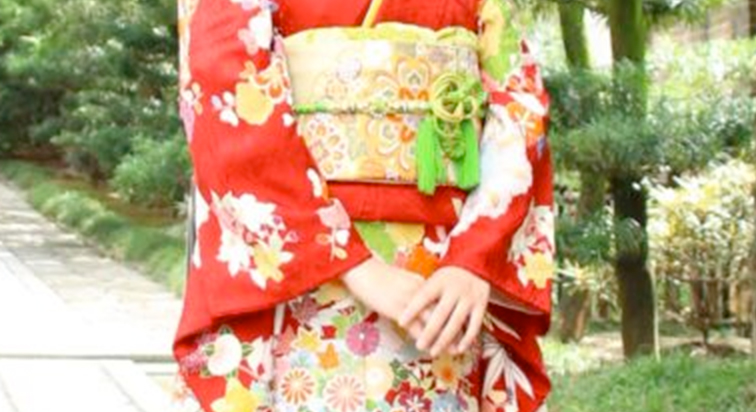
We are introducing formal kimono for special occasions such as wedding, coming of age ceremony, and graduation. You may learn how to choose kimono and how you can look smart in it. Please take a look if you want to become more familiar with kimono as a formal wear.
You can view articles about kimono all written by us.
It features various articles about kimono such as history, manner, common sense and a proper way of matching kimono. They will add fun to your going out in kimono.
You can view articles about Yukata written by us.

If you want to try a kimono in summer, it is definitely a Yukata. Please check our colums about Yukata if you have a chance to wear it, want to wear it, or are simply interested in it.