




special fearure・column
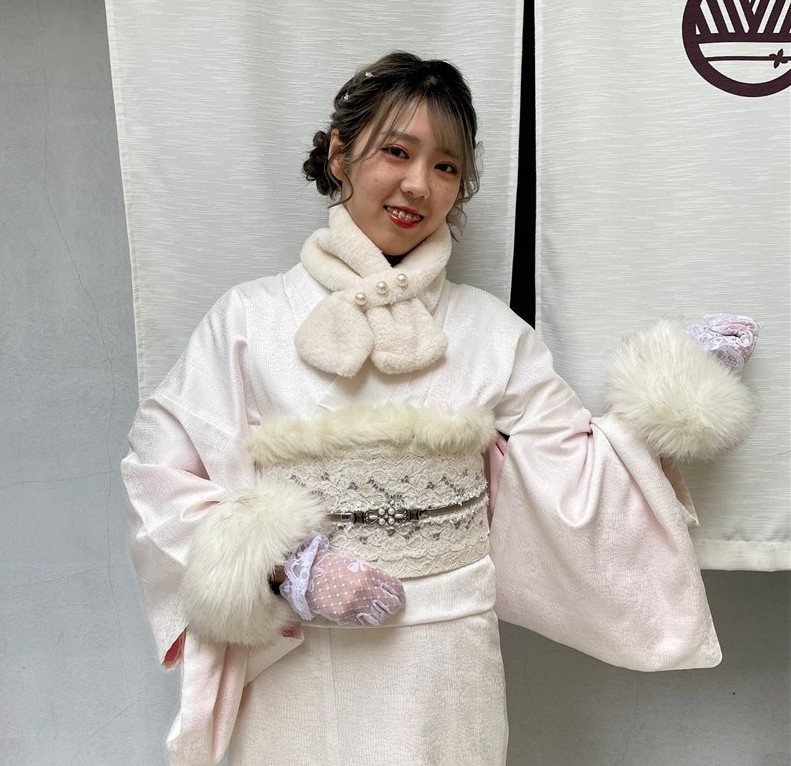
Enjoy Kimono Even in Winter: A Guide to Cold-Weather Accessories
If you want to enjoy wearing kimono even during the colder months, this feature is just for you. Here,we introduce essential cold-weather items that help you stay warm and comfortable in winter kimono style.
Keep the elegant look of kimono intact while staying cozy—and enjoy winter-exclusive kimono coordination with the right cold-weather protection.
🌸 Keeping Your Neck and Shoulders Warm
Going out in a kimono is beautiful, but during the colder seasons, the neck and shoulder area can easily feel chilly, which can be a concern. That’s why we recommend elegant items that not only look refined but also provide effective warmth around the neck and shoulders. These accessories help you stay cozy while preserving the graceful appearance of your kimono style.
【Shawls & Stoles】
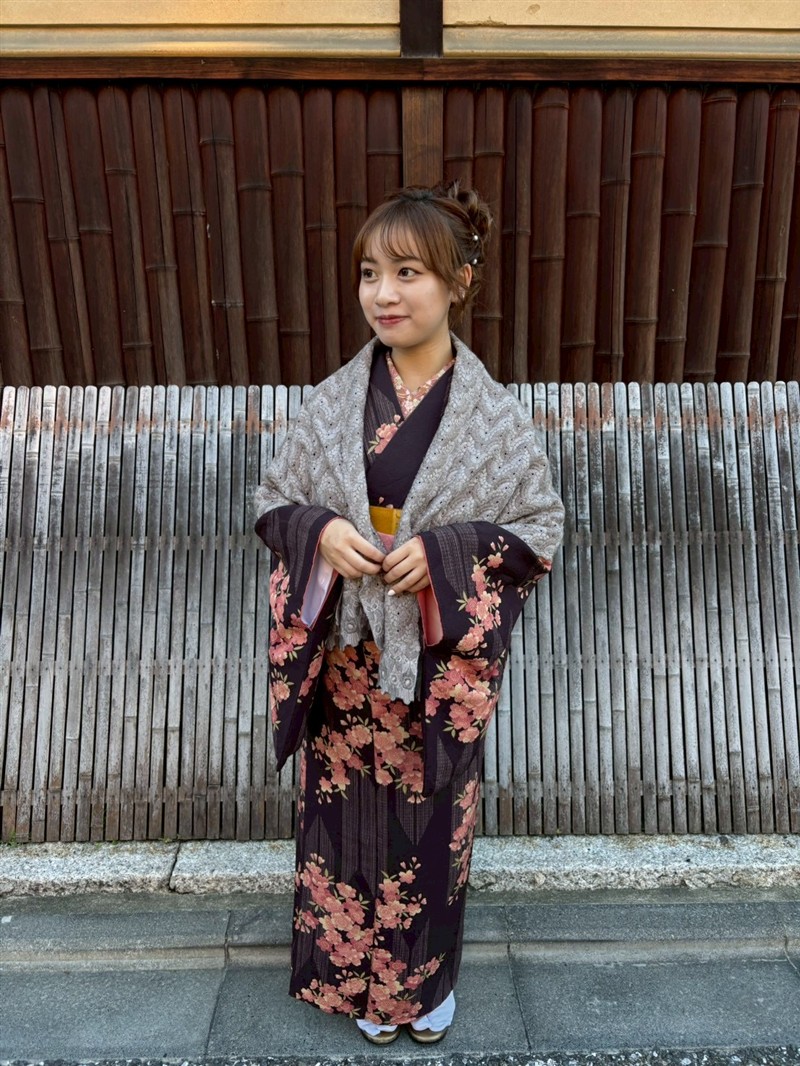
Simply draping one softly over your shoulders adds elegance to your look while keeping your neck warm.
For formal occasions, silk or faux fur works beautifully, while wool or stole-style fabrics are ideal for casual walks around town. Choosing the material to suit the occasion is key.
[One Point]
A classic cold-weather item—wool and cashmere are especially popular for their warmth.
At Rental Kimono Okamoto, we recommend casually layering a large stole over your shoulders for both warmth and style ✨
【Capes & Haori Coats】
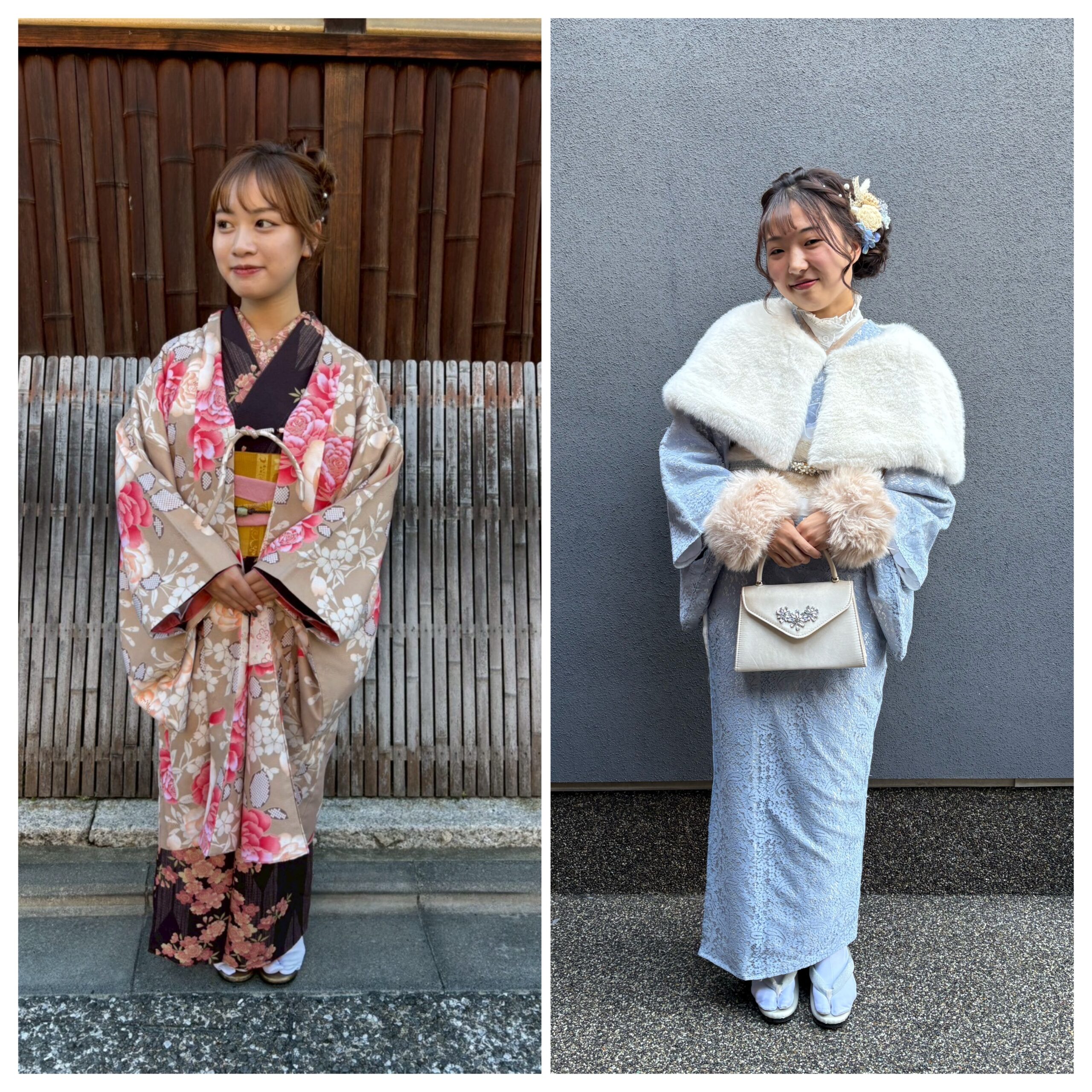
As winter winds begin to feel chilly, staying warm while maintaining elegance becomes essential when going out in kimono.
At such times, kimono-specific capes and coats are a reliable choice.
Unlike Western outerwear, these items are designed to preserve the kimono’s silhouette while allowing ease of movement and gently wrapping the body in warmth.
You may often hear the term haori, but it was originally intended not for warmth, but as a protective layer to keep dust off the kimono. In recent years, however, it has increasingly been worn as a cold-weather garment.
[One Point]
Traditional Japanese outer coats such as Michiyuki and Dōchūgi are considered classic and formal choices. Today, modern designs made from wool or cashmere are also available, offering excellent warmth as they cover the body from shoulders to hips.
🧤 Keeping Your Hands and Feet Warm
When wearing kimono in winter, it’s often your hands and feet that feel the cold first as they are exposed to chilly winds The key is to incorporate warming items that protect you from the cold without disrupting the elegance of your outfit.
【Gloves & Arm Warmers】
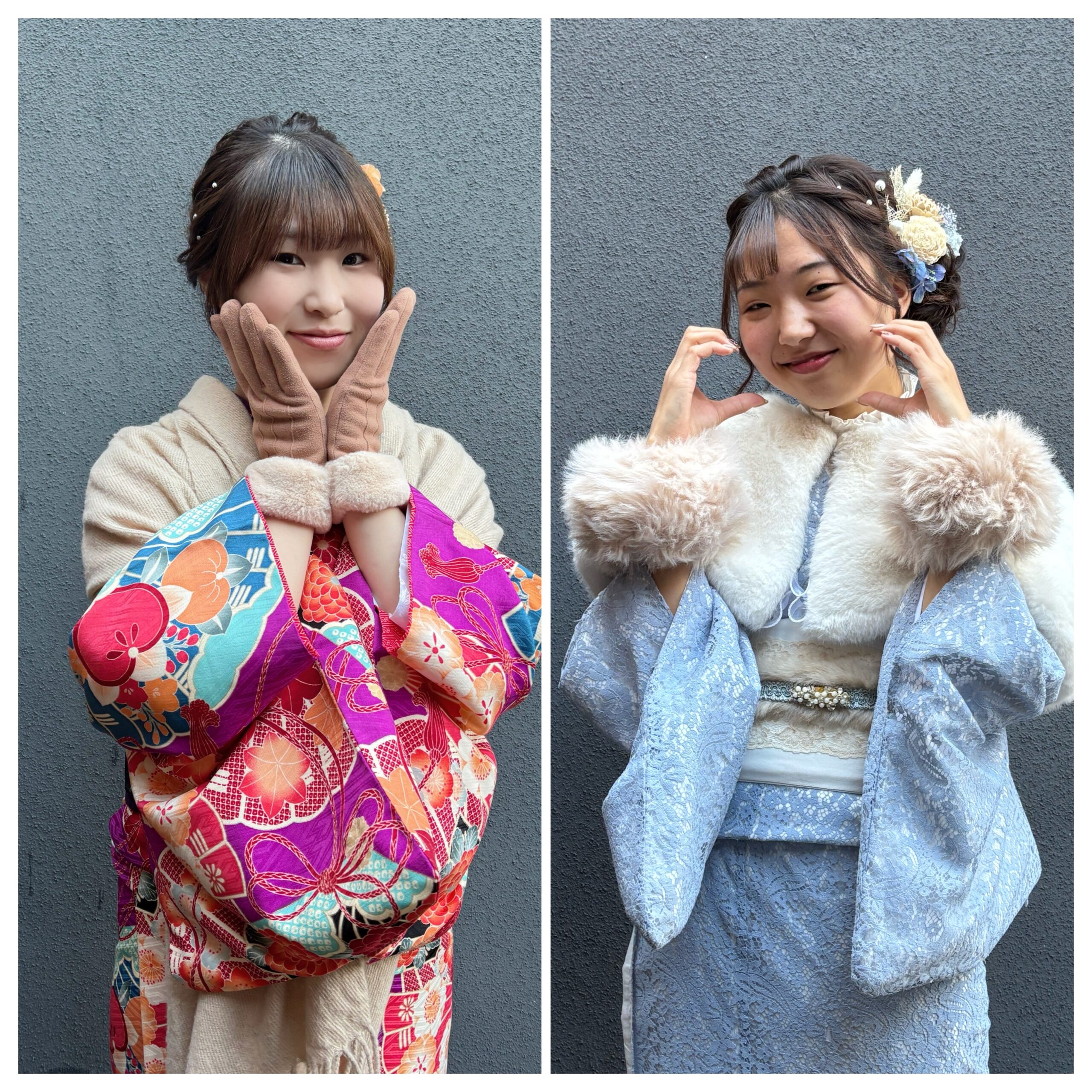
For your hands, arm warmers or gloves are highly recommended.
Choosing wool or cashmere materials will keep you warmly insulated while also blocking cold air from entering through the sleeves.
If you’d like to add a touch of elegance, fur-trimmed hand warmers are also a great option.
Their soft texture brings a seasonal feel and beautifully enhances your kimono look with a refined charm.
【One Point】
Lace styles that cover the fingertips or leather gloves are especially popular ✨
Neutral colors such as black, gray, and beige are easy to coordinate with any kimono.
【Tabi Inner Socks & Tabi Covers】
During seasons with large temperature differences between indoors and outdoors, layering with tabi inner socks or double-layer tabi is very effective.
To block the cold rising from the ground, pairing them with tabi covers or boot-style tabi when going out is a reassuring choice ◎
They keep your look neat while balancing warmth and style perfectly.
【One Point】
Fleece-lined or heat-retaining tabi inner socks help keep your toes warm.
On rainy or snowy days, water-repellent tabi covers or winter tabi with kohaze fasteners are also recommended.
【Zori Covers】
To protect your zori sandals from rain or snow, simply attach a clear vinyl cover.
Some types come with non-slip soles, making them especially convenient for winter outings.
🧥 Keeping Your Body Warm
Long hours outdoors can really make the cold feel harsh.
That’s when thermal innerwear designed for kimono becomes especially helpful, keeping you warm without disrupting the elegant kimono silhouette.
【Kimono Innerwear】
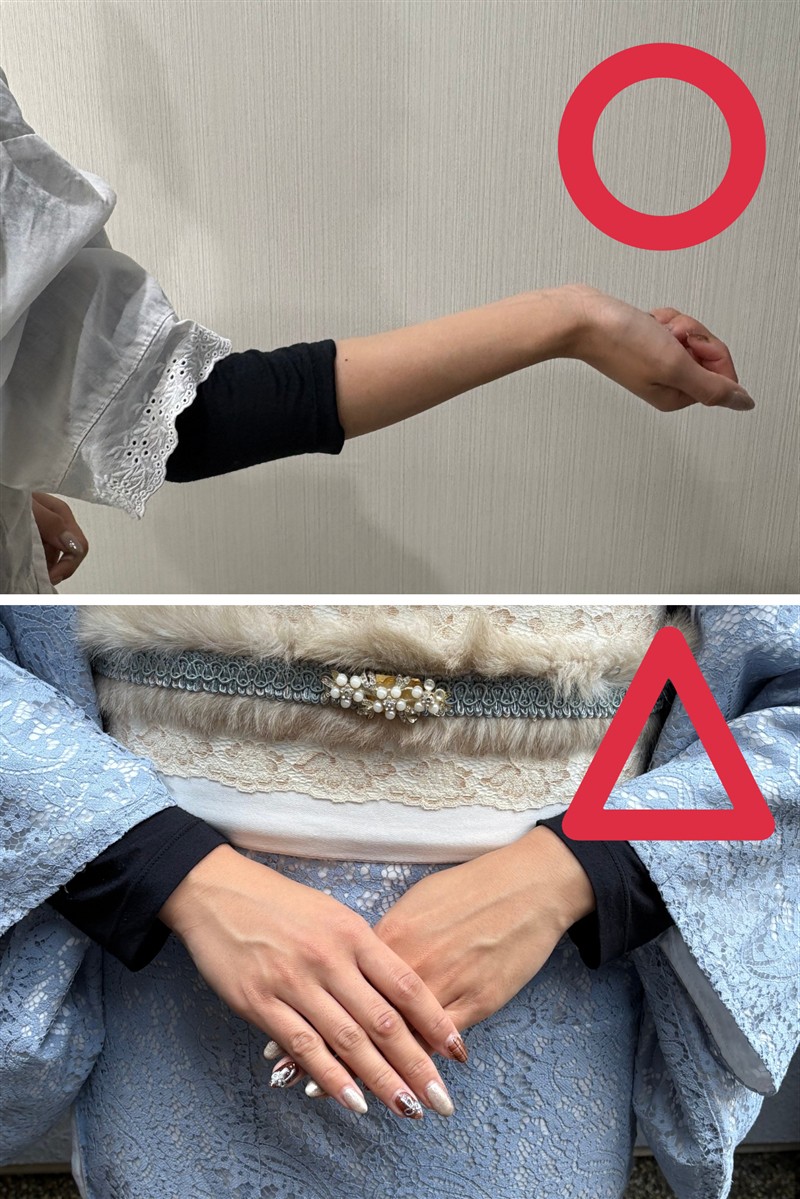
Innerwear designed for kimono is different from regular Western clothing, featuring wider necklines and sleeve openings.
This prevents it from showing at the collar or cuffs, and even when layered, it keeps the silhouette neat and elegant.
Recently, innerwear made with heat-retaining or moisture-activated warming fabrics has become available. These thin yet warm materials make it much more comfortable to enjoy wearing kimono even in the colder seasons.
【One Point】
Nowadays, it’s common to use Western-style heat-retaining innerwear (such as “Heattech”) as kimono innerwear. Choosing styles with a wide neckline and shorter sleeves helps keep them hidden under the kimono and is highly recommended.
【Traditional Japanese Undergarment Pants (Suteteko) / Leggings for Kimono】
Steteco may be more commonly associated with men, but they are actually a lightweight and comfortable cold-weather item.
Designed not to interfere with movement or disrupt the clean lines of a kimono, they offer excellent ease of movement and comfort.
Leggings-style innerwear wraps warmly all the way down to the ankles, keeping your feet nice and cozy.
They are especially recommended for those who are sensitive to the cold, and when combined with double tabi or tabi inner socks, they make winter outings much more comfortable.
[One Point]
If you choose to wear tights, it can be difficult to put on tabi. In that case, we recommend skipping tabi and pairing them with boots or footwear that does not have a separated toe.
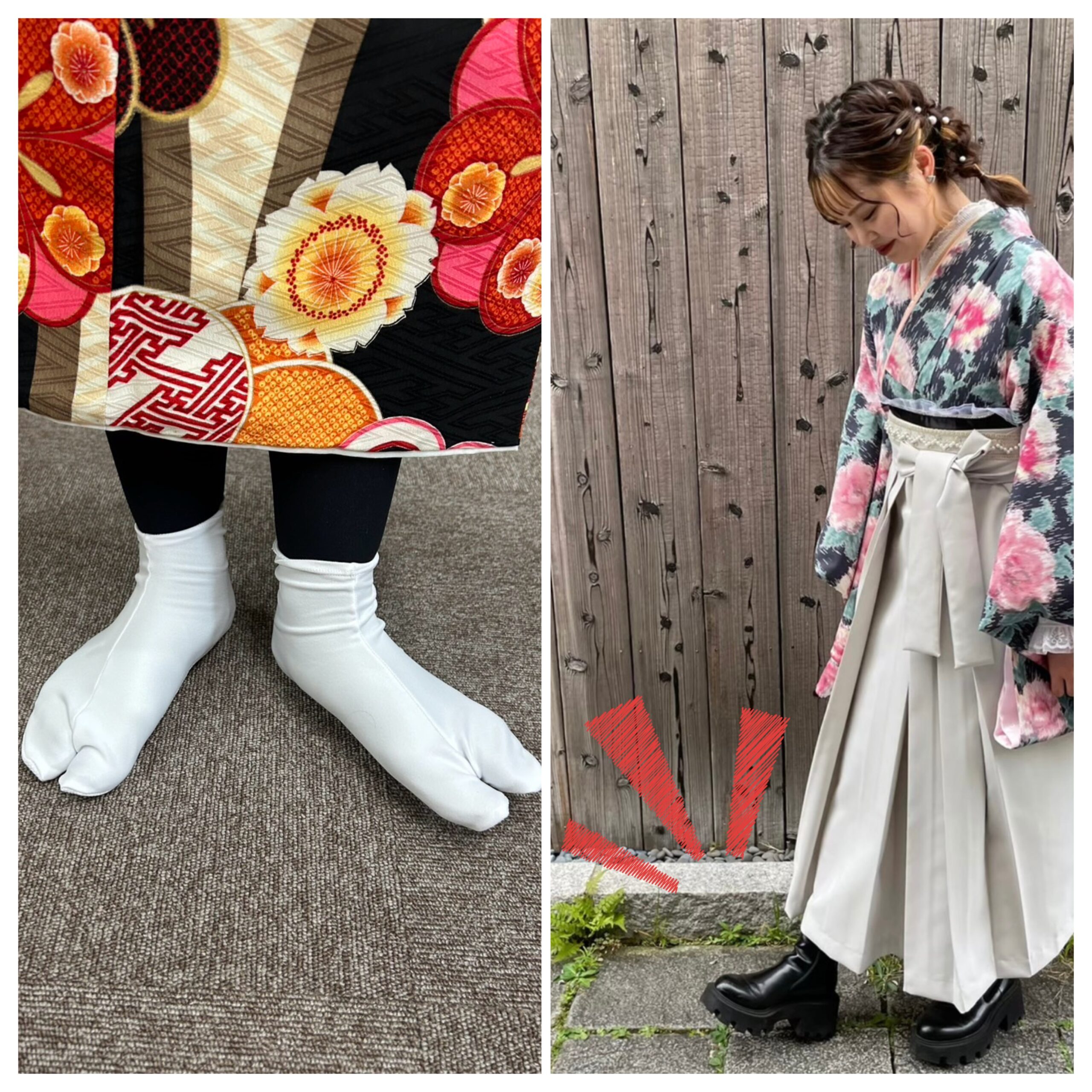
[Adhesive Heat Patches / Stick-On Body Warmers]
Adhesive heat packs gently warm the body when placed directly on areas that tend to get cold, such as the back, lower back, or around the shoulder blades.
Thin types do not disrupt the silhouette of the kimono and allow for easy movement.
They are especially reassuring on days when you plan to be out for a long time or when the wind feels particularly cold, providing warmth from the inside out.
[One Point]
Placing them on the lower back, shoulders, or between the shoulder blades works efficiently when combined with layered kimono clothing to retain heat.
Recently, kimono-specific heat packs designed with optimized shapes and placement have also become available, making winter kimono outings even more comfortable.
One important caution: if applied to areas that cannot be easily removed, there is a risk of low-temperature burns, so please use them with care.

❄️ [Rental Kimono Okamoto] Staff Picks! Recommended Winter Coordination Ideas
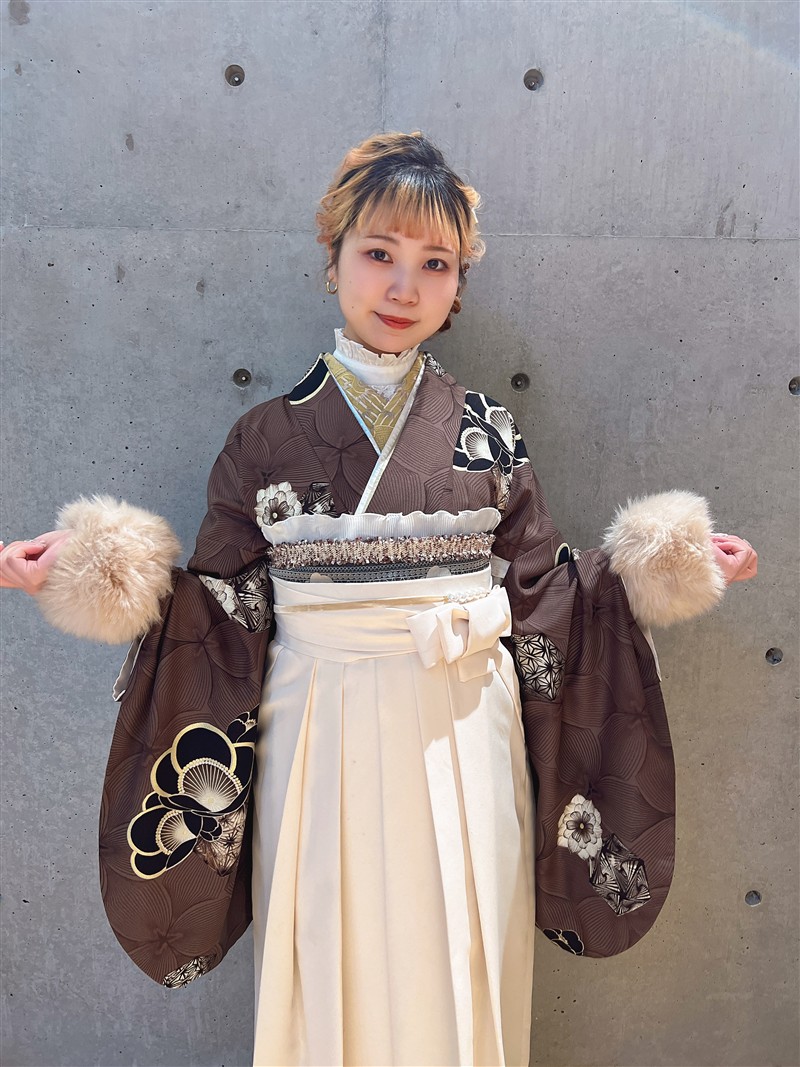
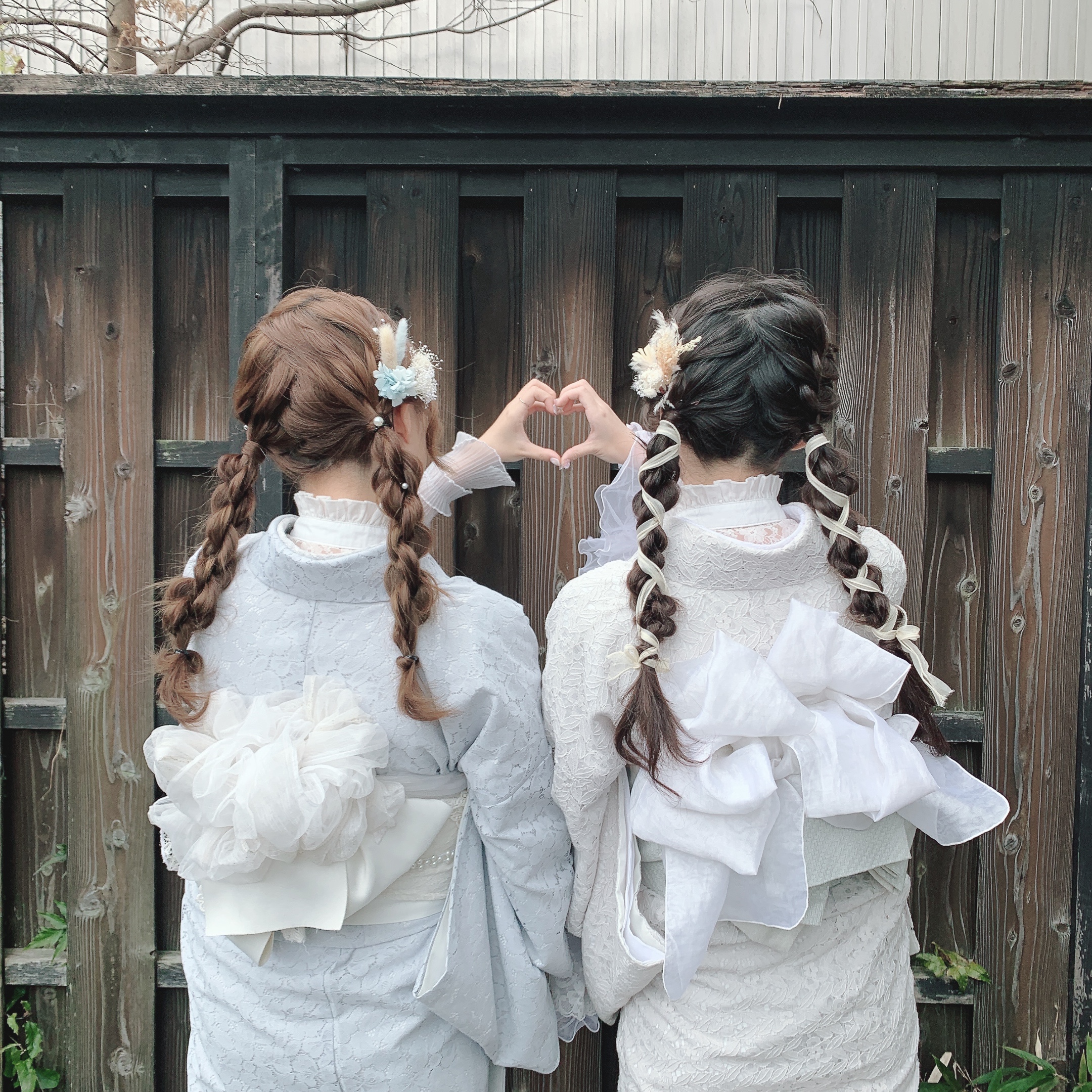
Kimono worn against the crisp winter air create a truly beautiful scene and look stunning in photos.
At Rental Kimono Okamoto, we offer styling suggestions that take the cold into account, as well as rental items designed to keep you warm—so you can enjoy your winter kimono stroll with peace of mind ✨
All of our staff look forward to welcoming you!
From retro styles to classic, timeless designs, Rental Kimono Okamoto offers a wide variety of kimono to choose from.
They are sure to make your Kyoto sightseeing experience even more memorable ✨
Website: www.okamoto-kimono.com
Instagram: @rentalkimonookamoto
TikTok: @rentalkimono_okamoto
Facebook: Rental Kimono Okamoto
X (formerly Twitter): @okamotokimono
Lit.link: lit.link/rentalkimonookamoto



Arashiyama Shop
48-4 Saga Tenryuji Kitatsukurimichicho, Ukyo-ku, Kyoto 616-8374, Japan
Phone: +81-75-950-0805 / Fax: +81-75-950-0806 / E-mail: arashiyama@okamoto-kimono.com
Nearest Station: Arashiyama (Randen Line) / JR Saga-Arashiyama Station
Rental Kimono Okamoto - Fushimi Inari shop
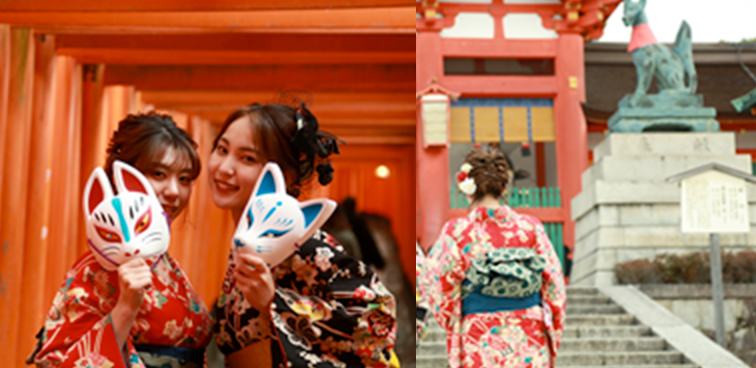
45-1, Fukakusa Inarinakanocho, Kyoto Shi Fushimi Ku, Kyoto Fu, 612-0807, Japan
Tel. +81-75-634-8900 / FAX +81-75-634-8901 / E-mail E-mail fushimiinari@okamoto-kimono.com
Nearest Station: JR Inari Station / Keihan Fushimi Inari Station
Rental Kimono Okamoto Gion Shop
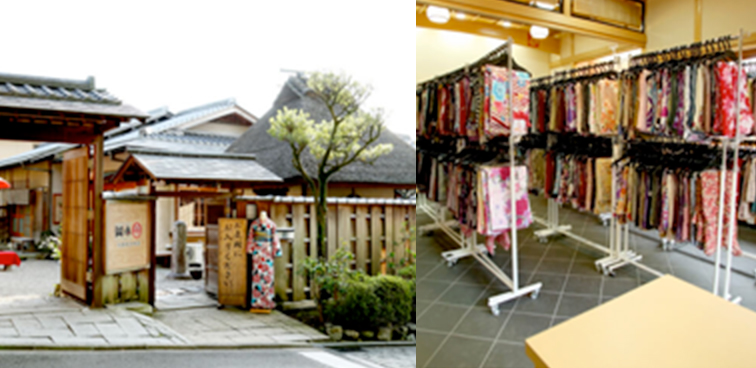
523 Washiocho, Higashiyama-ku, Kyoto 605-0072
Tel. +81-75-531-7890 / FAX +81-75-531-8383 / E-mail gion@okamoto-kimono.com
Nearest stop: City Bus Gion Stop
Rental Kimono Okamoto Kiyomizu Higashiyama Shop
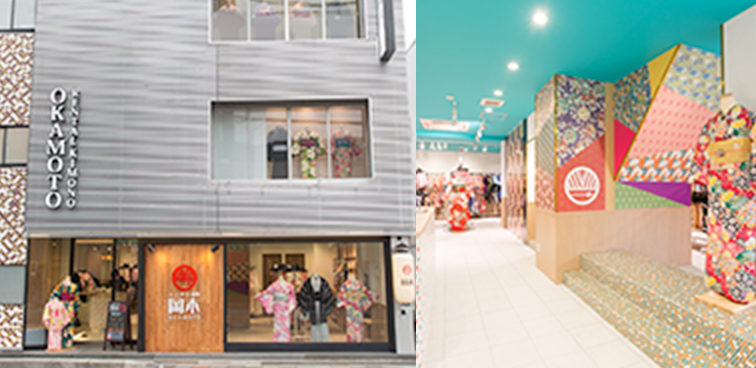
110-9 Tatsumicho, Higashiyama-ku, Kyoto 605-0855
Tel. +81-75-533-8900 / FAX +81-75-533-8910 / E-mail kiyomizuhigasiyama@okamoto-kimono.com
Nearest stop: City Bus Kiyomizumichi stop
Rental Kimono Okamoto Kiyomizu Shop
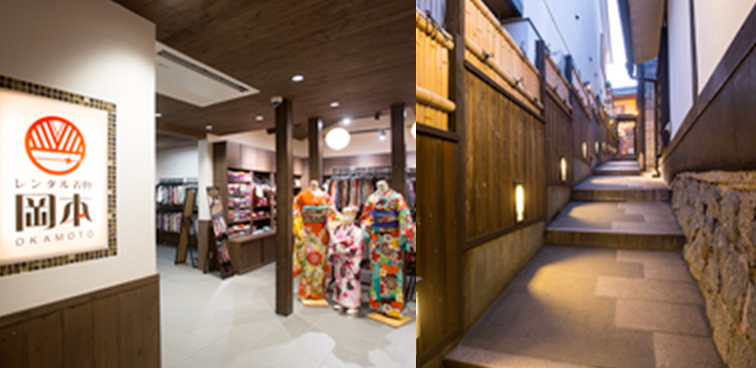
2-237-1-1 Kiyomizu, Higashiyama-ku, Kyoto 605-0862
Tel. +81-75-525-7115 / FAX +81-75-533-8960 / E-mail kiyomizuzaka@okamoto-kimono.com
Nearest stop: City Bus Kiyomizumichi stop
Rental Kimono Okamoto Main Shop
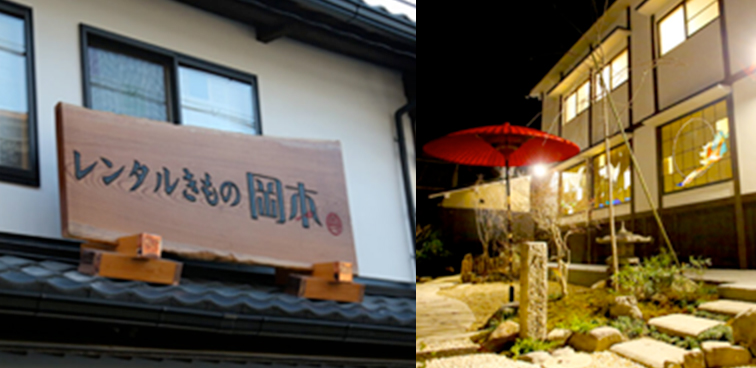
6-546-8 Gojohashihigashi, Kyoto Higashiyama-ku, Kyoto 605-0846
Tel. +81-75-532-1320 /Fax +81-75-532-1480 / E-mail honten@okamoto-kimono.com
Nearest stop: City Bus Gojozaka Stop
Rental Kimono Okamoto Yasaka Jinja Shop
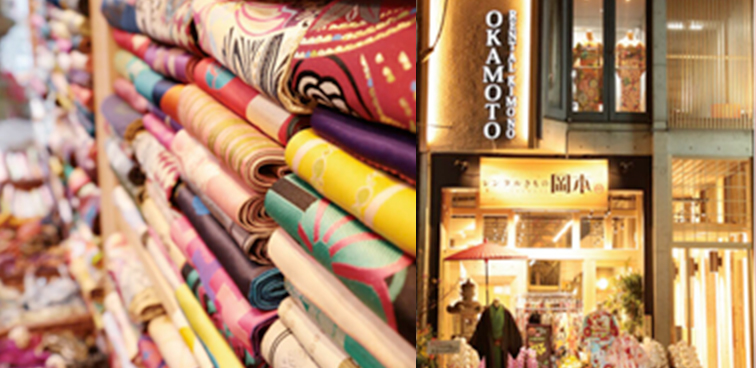
301-1 Gioncho, Higashiyama-ku, Kyoto 605-0073
Tel. +81-75-532-0510 / FAX +81-75-532-0511 / E-mail yasakajinja@okamoto-kimono.com
Nearest stop: City Bus Gion Stop
You can read a feature story about our store, Kyoto and kimono.
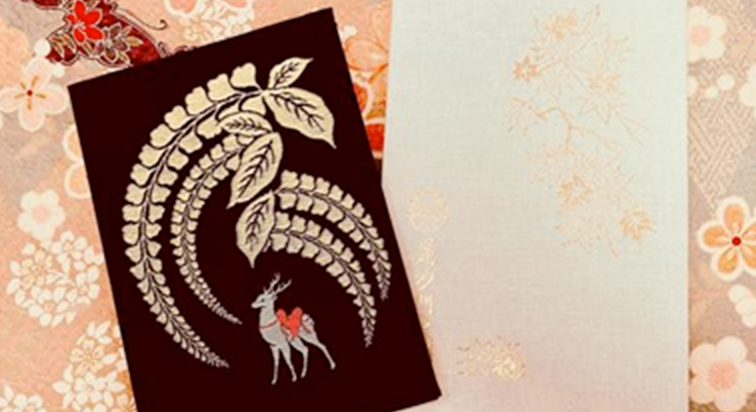
We are introducing various information on proper way of choosing kimono and others to match. Also you can access to our articles about regional, sightseeing information of Kyoto you can refert to before travelling to Kyoto.
You can read our own articles about formal kimono.
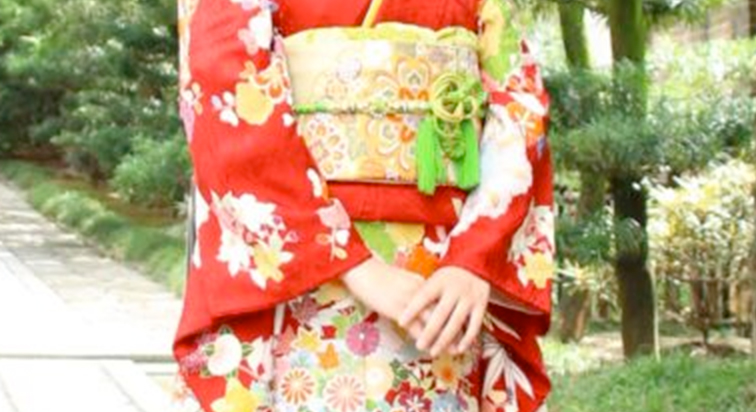
We are introducing formal kimono for special occasions such as wedding, coming of age ceremony, and graduation. You may learn how to choose kimono and how you can look smart in it. Please take a look if you want to become more familiar with kimono as a formal wear.
You can view articles about kimono all written by us.
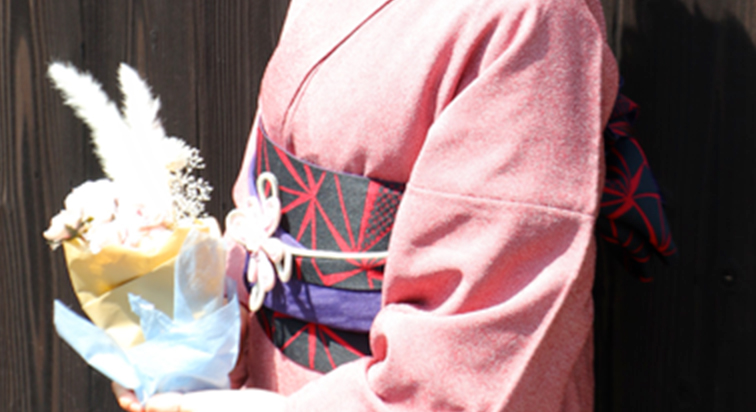
It features various articles about kimono such as history, manner, common sense and a proper way of matching kimono. They will add fun to your going out in kimono.
You can view articles about Yukata written by us.
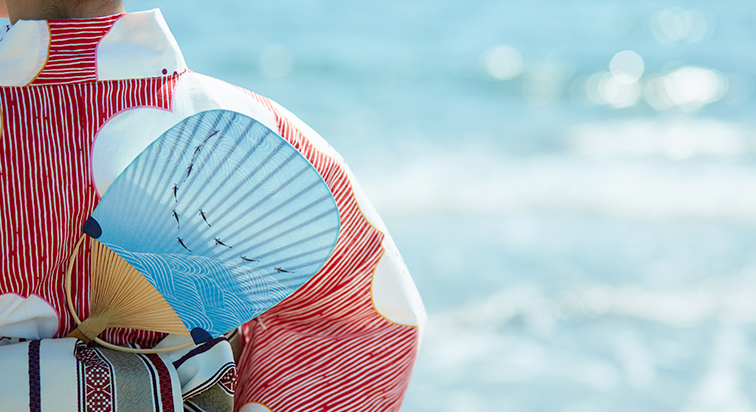
If you want to try a kimono in summer, it is definitely a Yukata. Please check our colums about Yukata if you have a chance to wear it, want to wear it, or are simply interested in it.