





special fearure・column
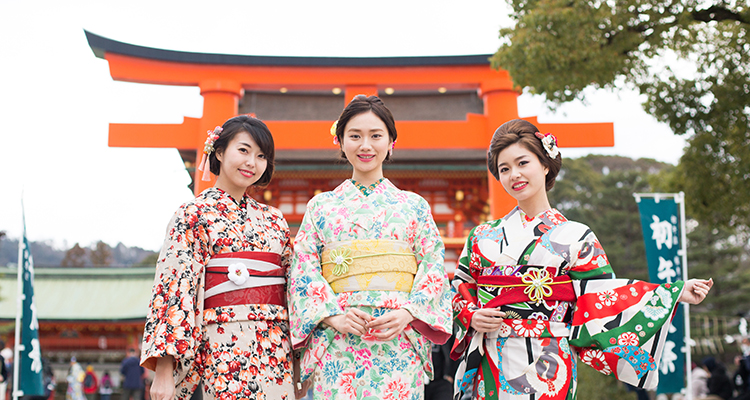
Kimono Etiquette for Visiting Shrines & Temples: A Complete Guide for Your Kyoto Trip
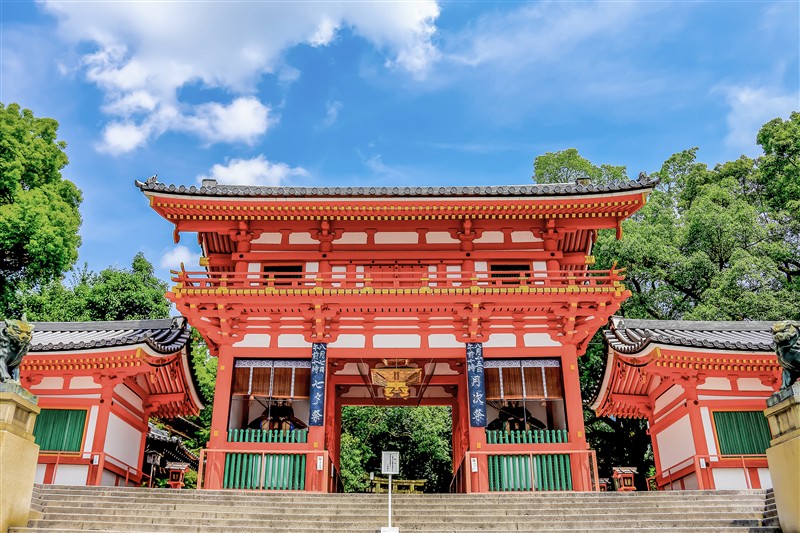
~ How to Visit Kyoto’s Shrines and Temples with Grace and Respect~
Shrines and temples throughout Kyoto and across Japan have been cherished and carefully preserved for centuries as places of faith, reflection, and spiritual comfort.
Passing through a torii gate or temple gate, walking along a peaceful approach, cleansing your hands at a temizuya (purification fountain), and offering a prayer at the worship hall—these are all meaningful parts of visiting a Japanese shrine or temple.
Wouldn’t it be wonderful to experience these special moments while dressed beautifully in a traditional kimono?
We often hear from our guests, “I’ve always wanted to visit a shrine or temple wearing a kimono.”
So, for those planning to explore Kyoto’s shrines and temples while enjoying a kimono rental, we would like to introduce some simple manners and helpful tips that are good to know before your visit.
We hope these tips will help you enjoy your shrine and temple visits in Kyoto with elegance, respect, and a truly memorable kimono experience.
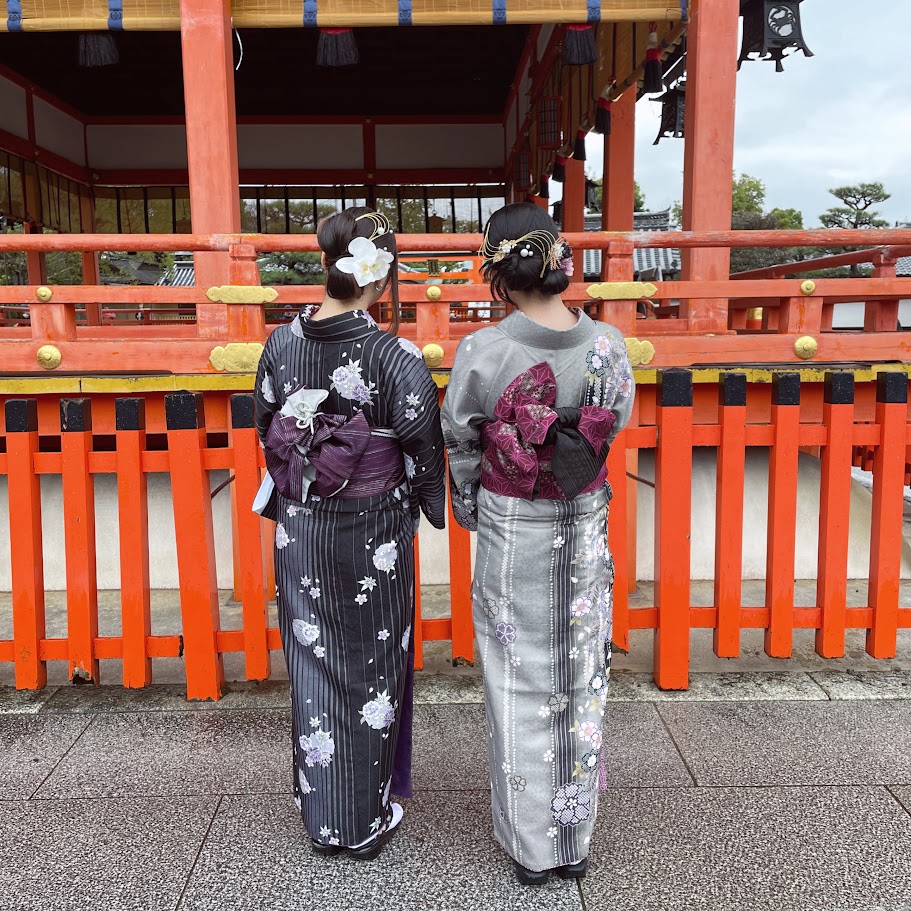
1) What Kind of Kimono Should You Choose?
A shrine is considered a sacred place where the gods reside.
The most important thing is to visit with a sense of respect and reverence.
When visiting a shrine or temple, it is best to dress neatly and appropriately. Avoid overly flashy clothing, revealing outfits, or entering while wearing a hat, as these may be considered disrespectful.
A kimono is a wonderful choice for visiting a shrine or temple, as it reflects and celebrates traditional Japanese culture. However, it is important to choose an elegant style that is appropriate for a sacred setting.
By paying attention to the colors and patterns of your kimono, the way your obi is tied, and even your accessories, you can create a refined and graceful look that complements the atmosphere of the shrine or temple.
Tips for Choosing a Kimono & Dressing Appropriately
1) Avoid overly flashy patterns or revealing styles
→ Make sure your collar is neatly arranged and that the shoulders and chest are not overly exposed.
2) Choose a simple and elegant obi style
→ Instead of a large, elaborate bunko musubi style, a more understated taiko musubi creates a graceful and sophisticated look.
3) Choose white tabi socks or neutral-colored stockings
→ Avoid going barefoot or wearing brightly colored socks, and prioritize a clean and polished appearance.
4) Choose a small and elegant handbag
→ It is best to avoid bags with eye-catching decorations such as metal chains or sequins.
5) Avoid animal-print patterns
→ In sacred places, it is traditionally considered more appropriate to avoid patterns associated with hunting or taking animal life.

2) Basic Etiquette and Mindset for Visiting Shrines and Temples in a Kimono
When visiting a shrine or temple in a kimono, it is important to keep respect and purity in mind.
Shrines and temples are not simply tourist attractions—they are also places of prayer and worship. Even when dressed in a beautiful and colorful kimono, take a moment to calm your mind and visit quietly and respectfully.
Basic Etiquette When Visiting a Shrine or Temple
1) Avoid speaking loudly or running
→ Walk quietly within the grounds and be considerate of other visitors.
2) Be mindful when taking photos
→ Photography is often prohibited in front of the main sanctuary or sacred images. Always check signs and notices before taking pictures.
3) Eat, drink, and smoke outside the grounds
→ To help keep these sacred places clean and peaceful, avoid eating, drinking, or smoking within the shrine or temple grounds.
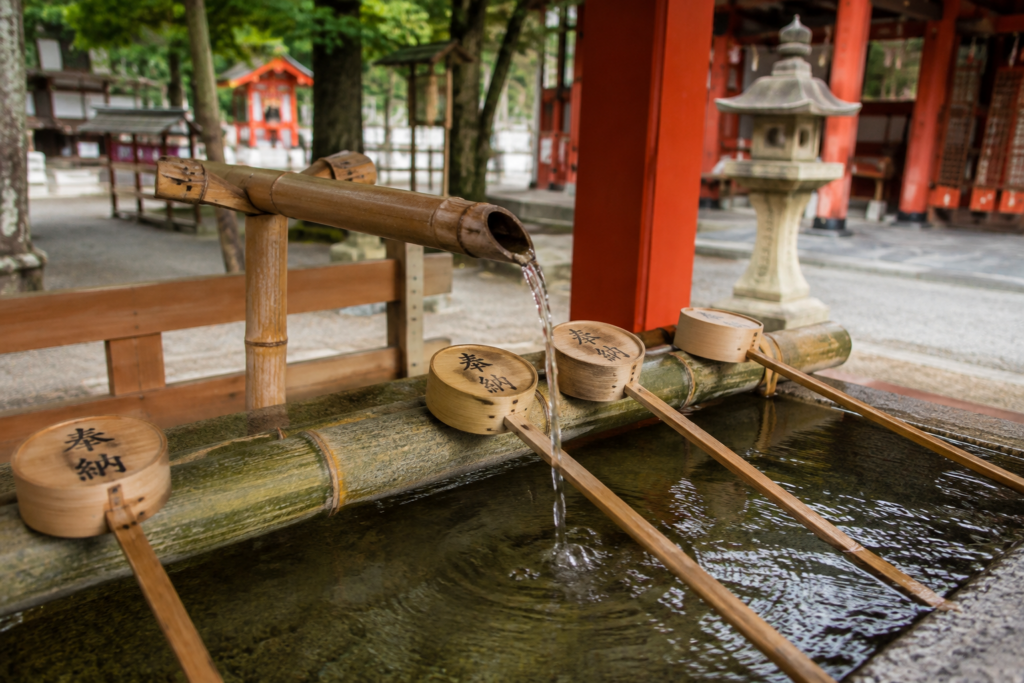
3. The Proper Way to Visit a Shinto Shrine | A Ritual to Purify Body and Mind
✨ The Proper Way to Visit a Shinto Shrine
1) Bow Before the Torii Gate
The shrine grounds are considered a sacred place where the deity resides.
Before passing through the torii gate, give a slight bow to show your respect and gratitude.
The center of the approach to the shrine is traditionally considered the path of the deity. Therefore, it is polite to walk along either the left or right side of the path rather than directly in the center.
2) Purify Your Hands, Mouth, and Mind
At the temizuya (purification fountain) along the approach, visitors purify themselves before approaching the deity.
The traditional procedure is as follows:
Hold the ladle with your right hand and scoop up some water.
Rinse your left hand.
Switch the ladle to your left hand and rinse your right hand.
Hold the ladle in your right hand again, pour some water into your left hand, and gently rinse your mouth. Do not place the ladle directly against your mouth.
Rinse your left hand once more.
Finally, hold the ladle upright and let the remaining water run down the handle to cleanse it before returning the ladle.
This series of actions is a way of purifying both body and mind before praying.
Take your time and perform each step calmly and respectfully.
3) Pray at the Shrine
When you arrive in front of the offering box, begin with a slight bow.
If there is a bell or gong, gently ring it to settle your mind, then quietly place your offering into the box.
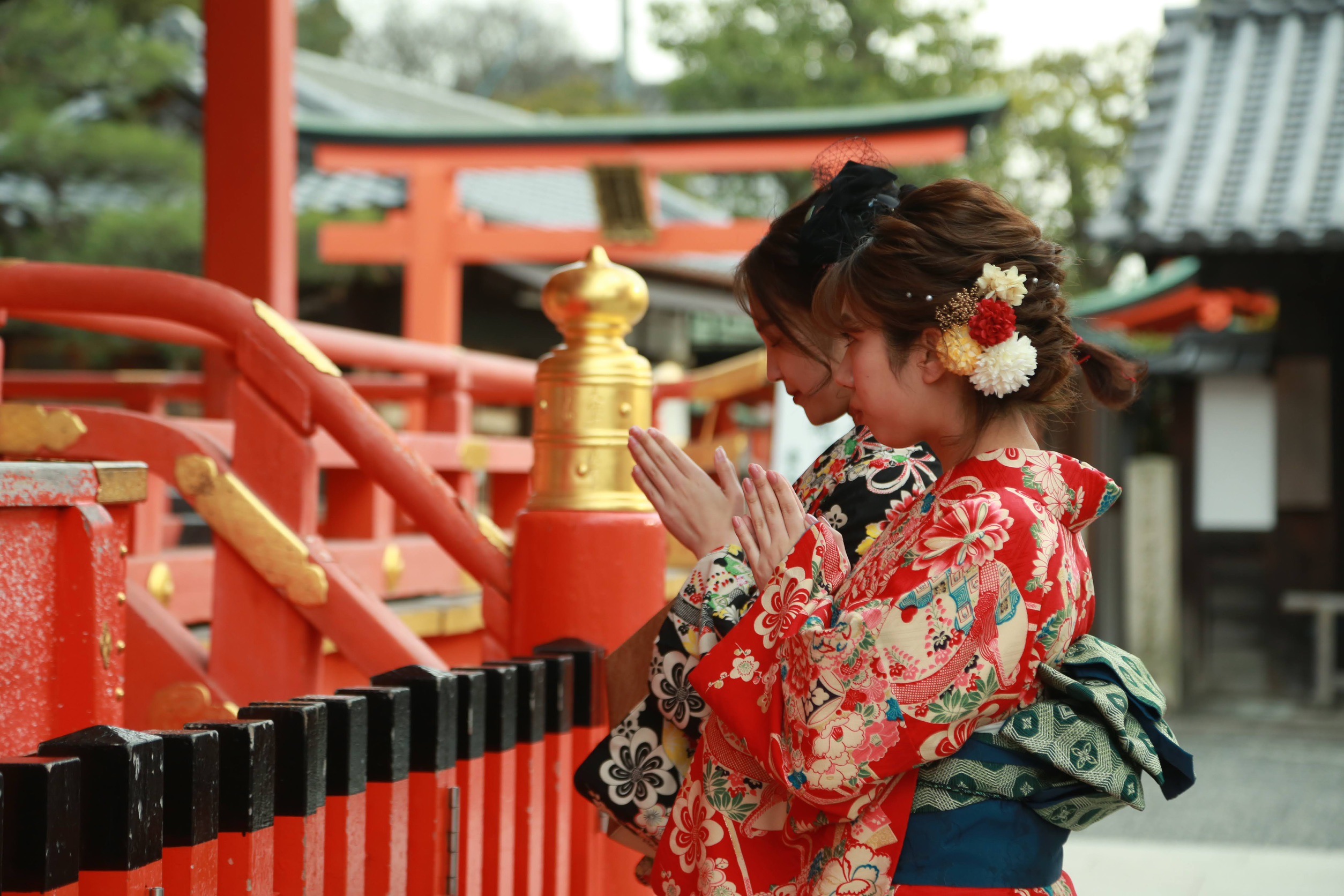
Next, pray using the traditional two bows, two claps, and one bow ritual:
Two bows → Two claps → Prayer → One final bow
Bow deeply twice, clap your hands twice, then put your hands together and offer your prayer or express your gratitude. Finish with one final deep bow.
4) Give a Final Bow
After finishing your prayer, give another slight bow before leaving the worship area.
When you leave through the torii gate, it is also considered polite to turn around and give one final bow toward the shrine.
By following these simple manners, you can enjoy your shrine visit respectfully while experiencing an important part of Japanese culture.
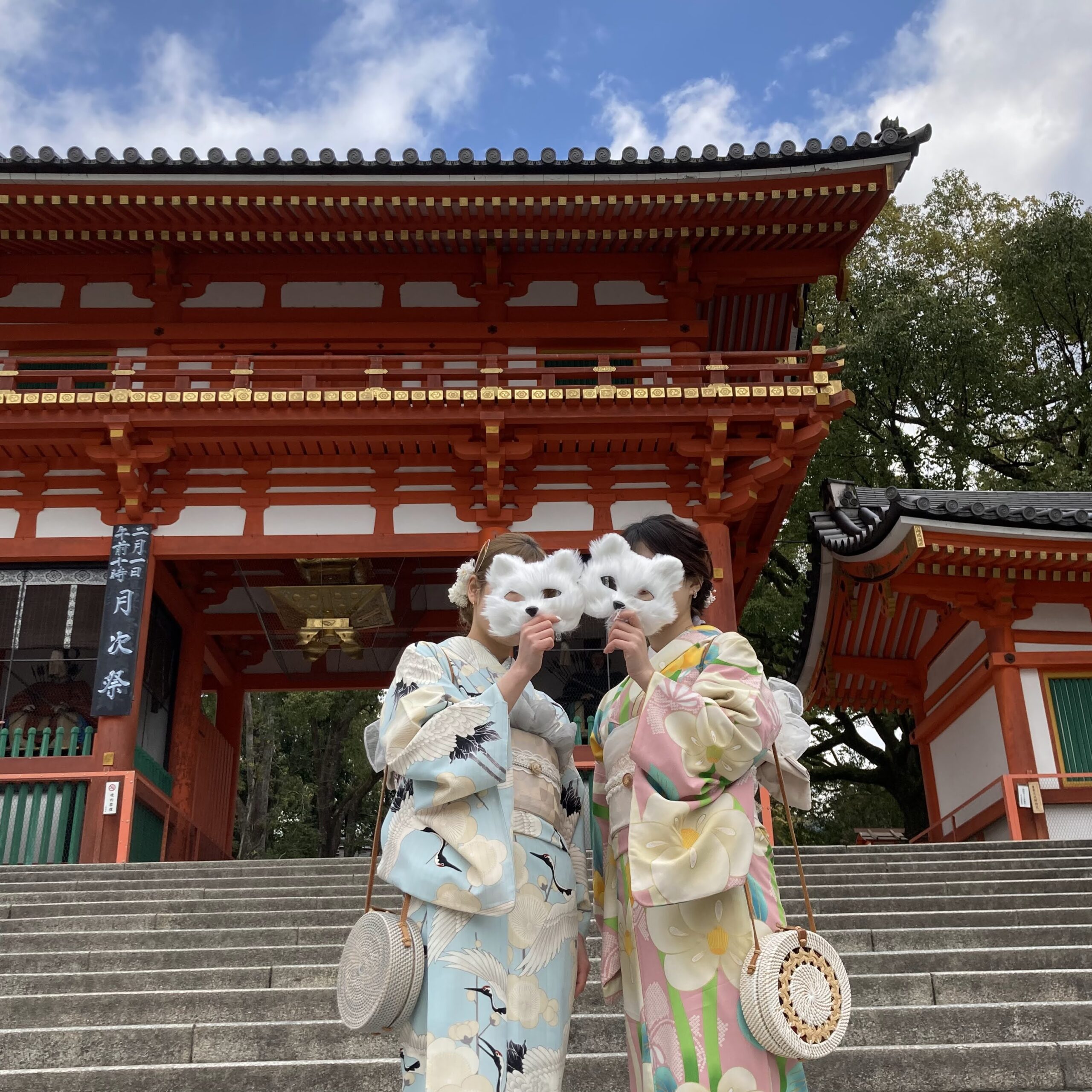
4. The Proper Way to Visit a Buddhist Temple
✨ The Proper Way to Visit a Buddhist Temple
Buddhist temples are places for prayer, gratitude, and paying respect to ancestors and the deceased.
The proper etiquette is slightly different from that of Shinto shrines, so take your time and visit with a calm and respectful mind.
1) Put Your Hands Together and Bow Before the Sanmon Gate
The sanmon gate is considered the entrance to the sacred world of Buddhism.
Before passing through the gate, gently put your hands together in prayer and give a slight bow. Then, quietly enter the temple grounds.
2) Purify Yourself at the Temizuya
If the temple has a temizuya (purification fountain), purify your hands and mouth following the same procedure as at a Shinto shrine.
Take a moment to prepare both your body and mind before quietly making your way toward the main hall.
3) Pray at the Main Hall
When you arrive in front of the main hall, quietly place your offering in the offering box and put your hands together in prayer.
Unlike at a Shinto shrine, you do not clap your hands at a Buddhist temple.
Depending on the temple and Buddhist tradition, you may quietly recite a Buddhist prayer such as “Namu Amida Butsu” or “Namu Kanzeon Bosatsu” in your heart as a respectful way of offering your prayer.
4) Bow Before Leaving
After finishing your prayer, put your hands together once again and give a slight bow before leaving.
When you leave the temple grounds, take a moment to bow quietly and express your gratitude and respect.
5. Photography Etiquette
✨ Photography Etiquette
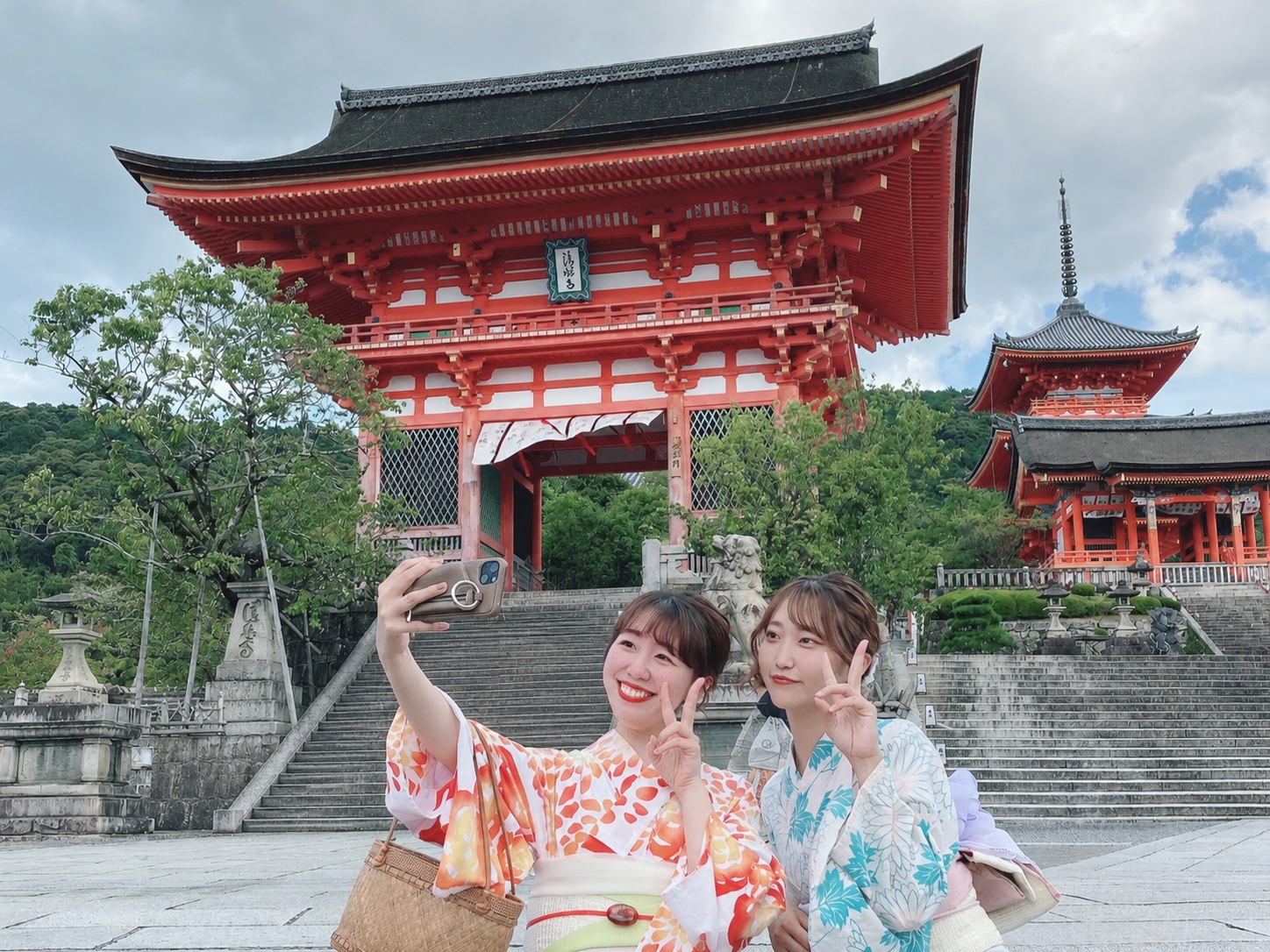
Wearing a beautiful kimono naturally makes you want to take lots of photos. However, when visiting a Shinto shrine or Buddhist temple, remember that these are places of worship and always be considerate of those around you.
【Things to Keep in Mind When Taking Photos】
1) Avoid including sacred objects in the background
Avoid taking photos with the main shrine hall, principal Buddhist image, stone lanterns, offerings, or other sacred objects directly behind you.
Do not turn your back toward sacred objects for the sake of a photo. Keep a respectful distance and be mindful of the sacred atmosphere.
2) Avoid using selfie sticks or tripods on the temple or shrine grounds
For safety reasons, especially in crowded areas, and to avoid disturbing other visitors, it is best to refrain from using selfie sticks or tripods.
3) Take photos quietly without disturbing other visitors
Choose a location where you will not block pathways or interfere with other worshippers. Be considerate, communicate with those around you, and take turns when necessary.
4) Show your appreciation after taking photos
After finishing your photos, a small bow can be a thoughtful gesture of gratitude and respect. A simple gesture such as saying “Thank you” quietly and giving a slight bow helps maintain the respectful atmosphere of the shrine or temple.
6. Posture and Etiquette
✨ Posture and Graceful Movements
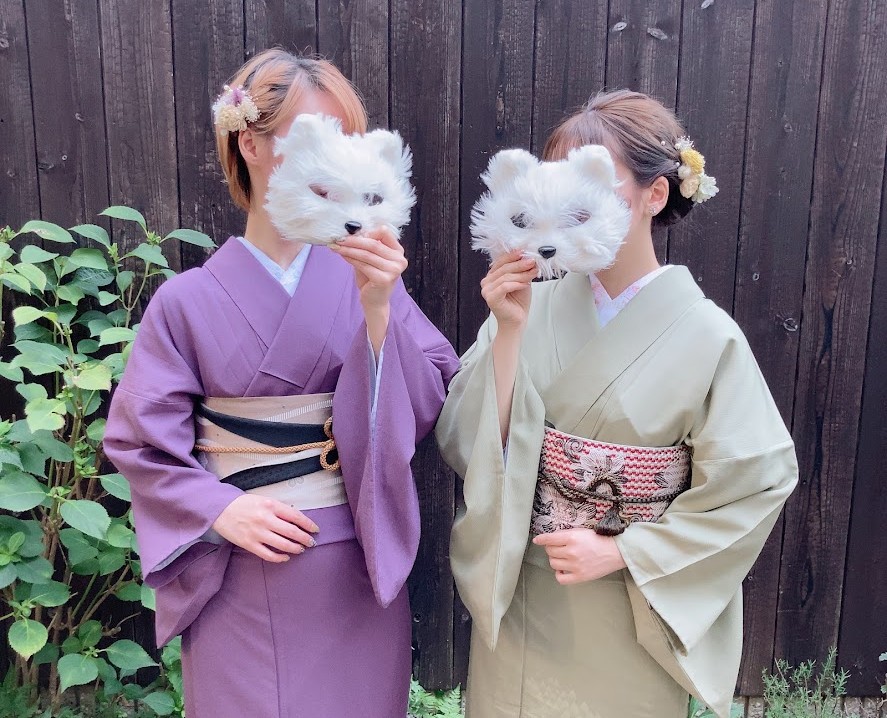
When wearing a kimono, even simple movements such as standing and walking naturally draw attention. By paying a little attention to your posture and movements, you can create a more elegant and graceful impression.
【Tips for Elegant Kimono Etiquette】
1) Take small steps and keep your back straight
Taking smaller steps helps keep the hem of your kimono neat and naturally encourages good posture.
2) Gently place your hands together in front of you
Avoid crossing your arms. Keeping your hands neatly together creates a graceful appearance and also looks beautiful in photos.
3) Bow slowly from the waist while keeping your back straight
A slow, gentle bow with good posture creates a polite and elegant impression.
4) Gently hold your kimono hem when using stairs
To avoid stepping on your kimono, lightly lift or hold the hem with one hand and take the stairs slowly and carefully.
7. Choosing the Right Kimono for Each Season
【Recommended Kimono Styles by Season】
Spring:
Light-colored komon or houmongi kimono with soft colors inspired by cherry blossoms and seasonal flowers are perfect for spring. Their gentle tones look especially beautiful in the soft spring sunlight.
Summer:
Lightweight, breathable kimono such as ro (gauze weave) or sha (sheer weave), as well as yukata, are ideal for summer. Yukata are generally acceptable when visiting Shinto shrines, but when visiting Buddhist temples, it is recommended to choose a more modest and refined style.
Autumn:
During the autumn foliage season, kimono in sophisticated colors such as burgundy, deep green, and brown beautifully complement Kyoto's autumn scenery. Adding touches of gold or orange through your obi or accessories can create an especially seasonal look.
Winter:
Stay warm with a haori jacket or shawl while keeping the overall outfit balanced and elegant. However, it is generally best to avoid fur items when visiting Shinto shrines, as fur can be associated with the taking of animal life and may be considered inappropriate in a sacred setting.
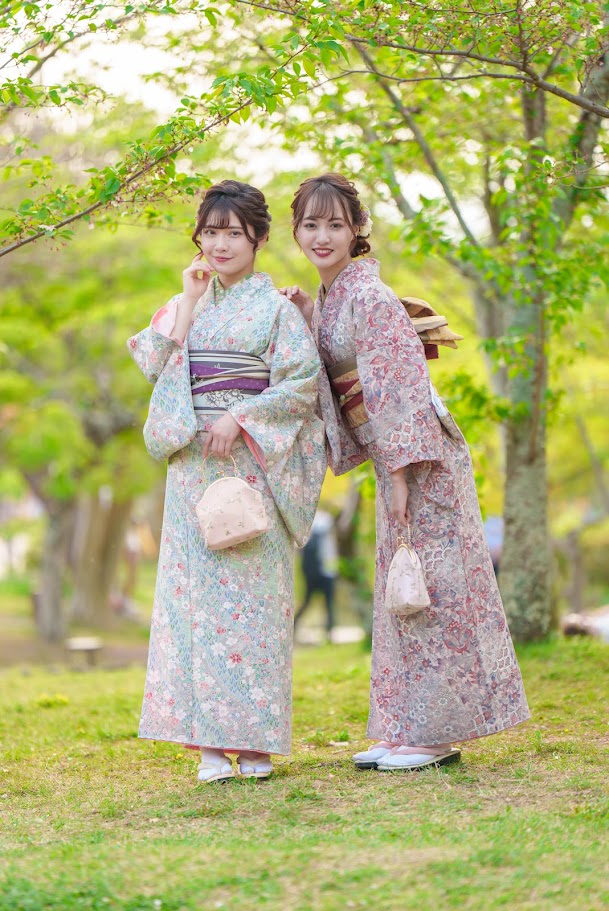
Wearing a kimono when visiting a shrine or temple is a beautiful way to show respect for Japanese culture.
What matters most is not how elaborate your outfit is, but the thoughtfulness behind your actions. Bowing quietly, walking gracefully, and putting your hands together with a sense of gratitude—these simple gestures are what make a kimono look truly beautiful against the historic streets of Kyoto.
At the same time, styles of worship and ways of enjoying kimono have become more diverse in recent years, allowing visitors to experience Japanese culture in their own way. Even so, simply being aware of a few basic manners can naturally help you refine your movements and mindset, allowing you to experience Japanese culture on a deeper level.
The etiquette introduced in this article is only a basic guide. Customs and ways of enjoying kimono continue to change with the times, and there is no need to follow every rule strictly.
By simply keeping a little respect for others and consideration for the place in mind, your posture and movements can become much more graceful.
Knowing the basics while enjoying the experience freely—that subtle sense of elegance is perhaps the perfect way to explore Kyoto in a kimono.
Enjoy the Freedom of Exploring Kyoto in a Kimono.
With 190 years of history as a long-established kimono shop, Rental Kimono Okamoto is here to make your Kyoto sightseeing experience even more special.
Website: www.okamoto-kimono.com
Instagram: @rentalkimonookamoto
TikTok: @rentalkimono_okamoto
Facebook: Rental Kimono Okamoto
X (formerly Twitter): @okamotokimono
Lit.link: lit.link/rentalkimonookamoto



Arashiyama Shop
48-4 Saga Tenryuji Kitatsukurimichicho, Ukyo-ku, Kyoto 616-8374, Japan
Phone: +81-75-950-0805 / Fax: +81-75-950-0806 / E-mail: arashiyama@okamoto-kimono.com
Nearest Station: Arashiyama (Randen Line) / JR Saga-Arashiyama Station
Rental Kimono Okamoto - Fushimi Inari shop
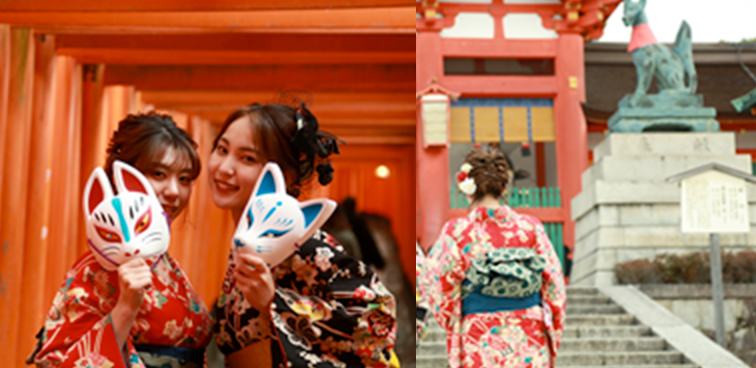
45-1, Fukakusa Inarinakanocho, Kyoto Shi Fushimi Ku, Kyoto Fu, 612-0807, Japan
Tel. +81-75-634-8900 / FAX +81-75-634-8901 / E-mail E-mail fushimiinari@okamoto-kimono.com
Nearest Station: JR Inari Station / Keihan Fushimi Inari Station
Rental Kimono Okamoto Gion Shop
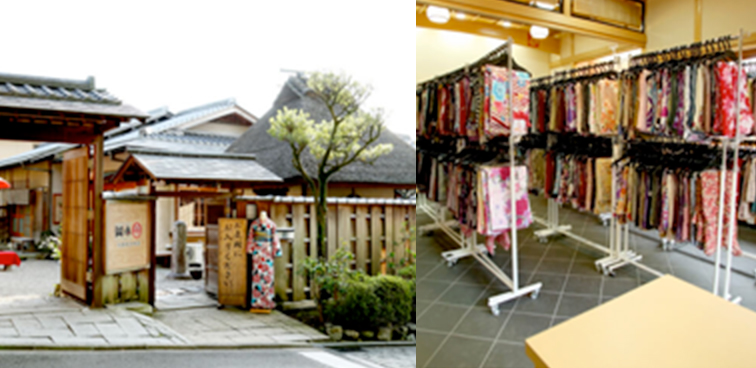
523 Washiocho, Higashiyama-ku, Kyoto 605-0072
Tel. +81-75-531-7890 / FAX +81-75-531-8383 / E-mail gion@okamoto-kimono.com
Nearest stop: City Bus Gion Stop
Rental Kimono Okamoto Kiyomizu Higashiyama Shop
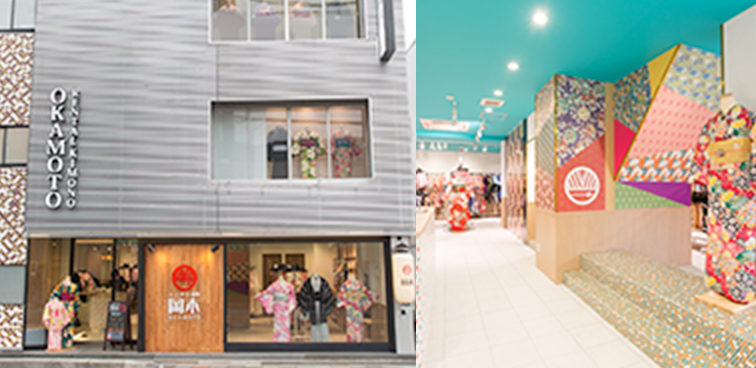
110-9 Tatsumicho, Higashiyama-ku, Kyoto 605-0855
Tel. +81-75-533-8900 / FAX +81-75-533-8910 / E-mail kiyomizuhigasiyama@okamoto-kimono.com
Nearest stop: City Bus Kiyomizumichi stop
Rental Kimono Okamoto Kiyomizu Shop
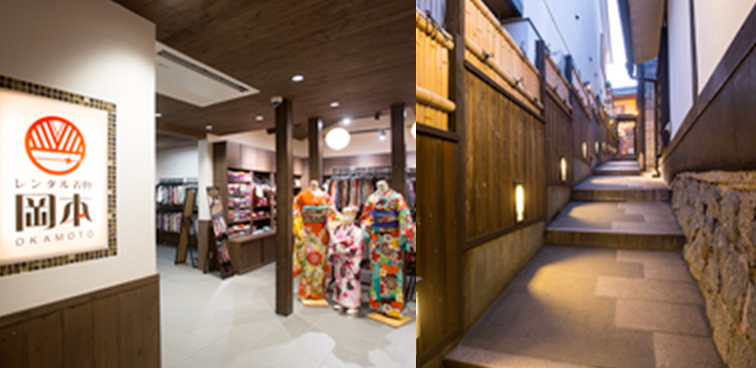
2-237-1-1 Kiyomizu, Higashiyama-ku, Kyoto 605-0862
Tel. +81-75-525-7115 / FAX +81-75-533-8960 / E-mail kiyomizuzaka@okamoto-kimono.com
Nearest stop: City Bus Kiyomizumichi stop
Rental Kimono Okamoto Main Shop
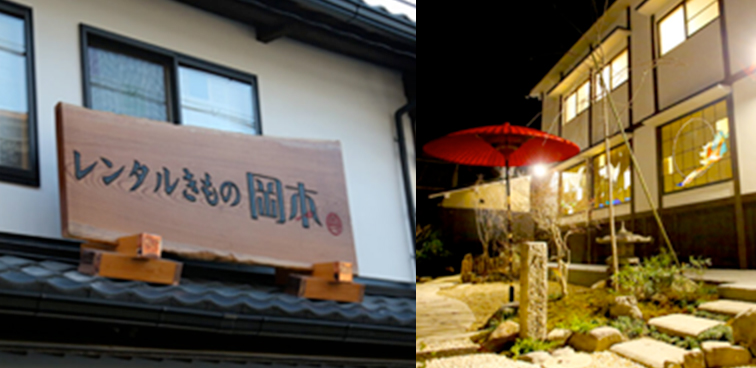
6-546-8 Gojohashihigashi, Kyoto Higashiyama-ku, Kyoto 605-0846
Tel. +81-75-532-1320 /Fax +81-75-532-1480 / E-mail honten@okamoto-kimono.com
Nearest stop: City Bus Gojozaka Stop
Rental Kimono Okamoto Yasaka Jinja Shop

301-1 Gioncho, Higashiyama-ku, Kyoto 605-0073
Tel. +81-75-532-0510 / FAX +81-75-532-0511 / E-mail yasakajinja@okamoto-kimono.com
Nearest stop: City Bus Gion Stop
You can read articles about various information on Kyoto.
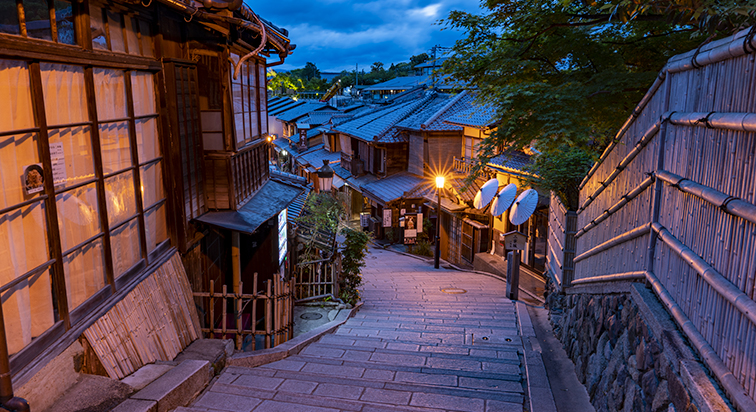
Our kyoto resident staffs post articles about history, sightseeing, regional information of Kyoto. You may enjoy sightseeing even more by deepening your knowledge through this article.
More articles introducing the area around the shop are available here.
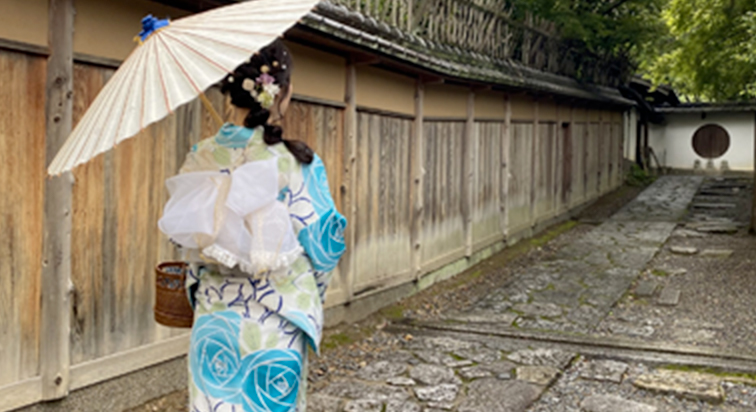
Please refer to our articles about famous tourist spots, hidden spots, and the latest information on stores in Kyoto. It is updated by our staffs who are familiar with the area.