



special fearure・column
A Cultural Experience Unique to Kyoto: Enjoy a Moment of Tea Ceremony and Tradition in Kimono
1. A Unique Experience in Kyoto
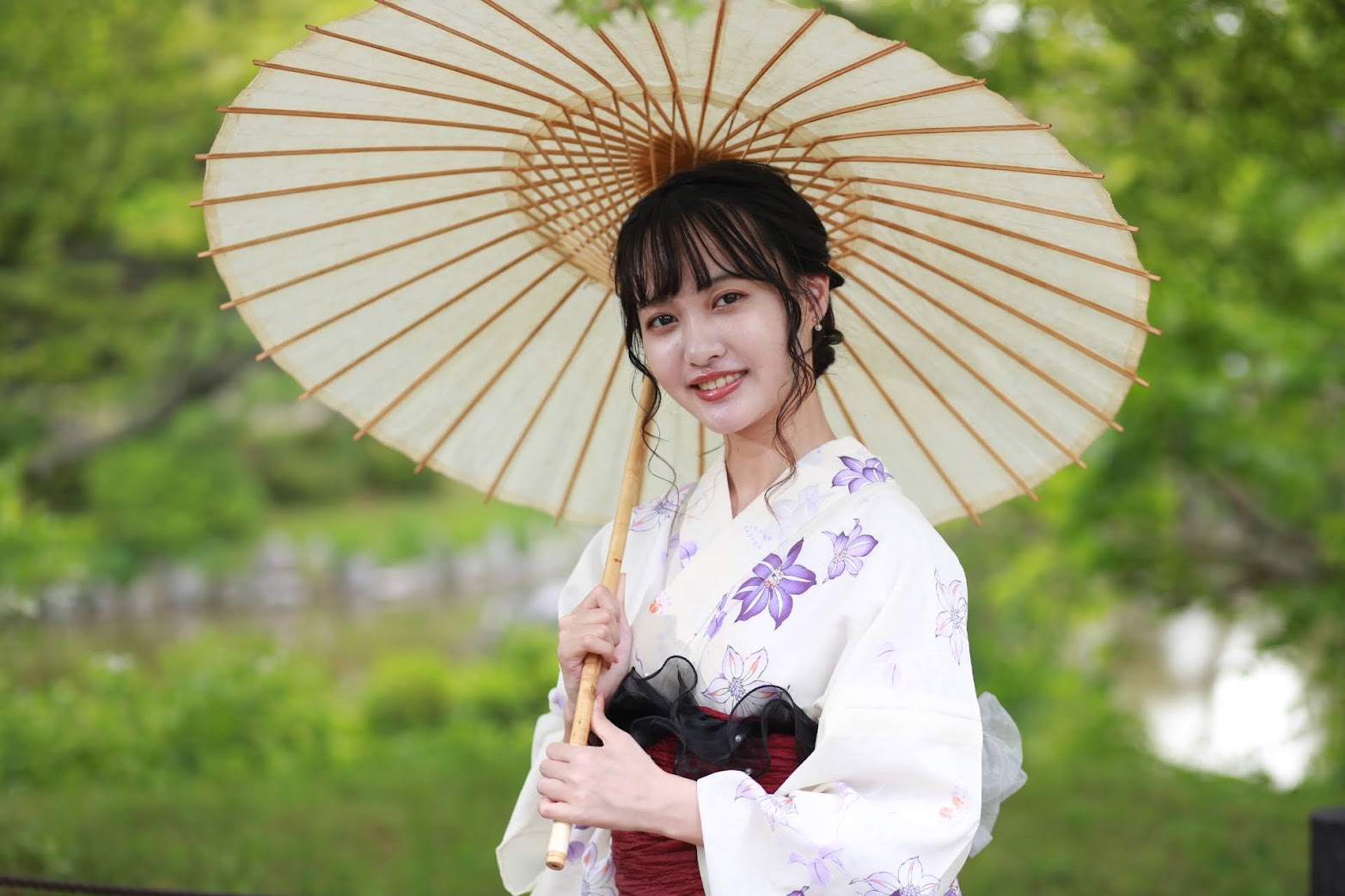
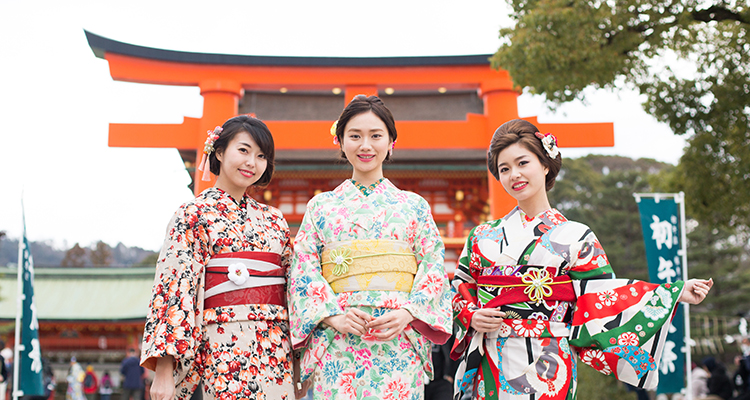
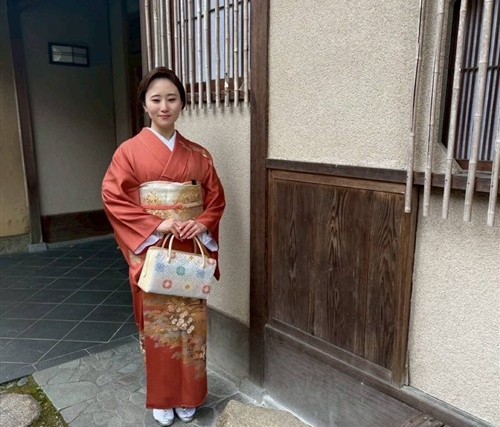
People visit Kyoto for many different reasons—some to explore famous temples and shrines, others to stroll through its beautiful historic streets, and many to enjoy the scenery that changes with the seasons. Among these experiences, choosing to walk around Kyoto in a kimono has become increasingly popular with visitors of all ages and nationalities.
Kyoto also offers a wide variety of traditional cultural experiences that are deeply connected to its heritage. These include practices such as Japanese Tea Ceremony, as well as making traditional Japanese sweets, painting on Kyoto ceramics, and spending quiet moments appreciating fragrance and tranquility. Each of these experiences offers a memorable “sensory memory” that stays with you long after your visit.
Kimono is clothing that naturally harmonizes with space, movement, and the flow of time. Because of this, it pairs beautifully with the cultural experiences found in Kyoto, allowing you to appreciate your time in the city more deeply.
Sitting quietly on tatami mats, walking at a slower pace, moving your hands with care, and embracing moments of calm—these are experiences unique to Kyoto, and kimono naturally complements them.
Wearing a kimono allows you to immerse yourself in the rhythm of Kyoto. As an introduction to these cultural experiences, let’s begin with the Japanese Tea Ceremony, one of the most popular activities many visitors enjoy after renting a kimono.
2. Enjoying a Tea Ceremony Experience in Kimono in Kyoto
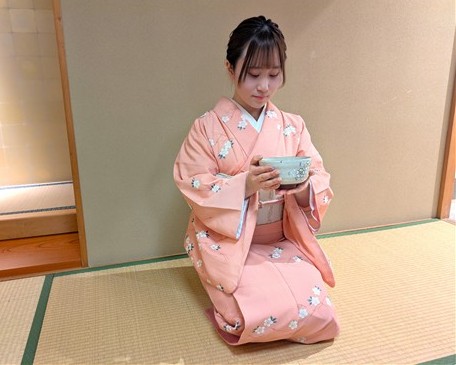
In Kyoto, many authentic tea ceremony venues that carry on a long history still remain today. While there are traditional tea rooms that continue to preserve formal tea gatherings, there are also many tea ceremony experiences designed so that even beginners can easily participate.
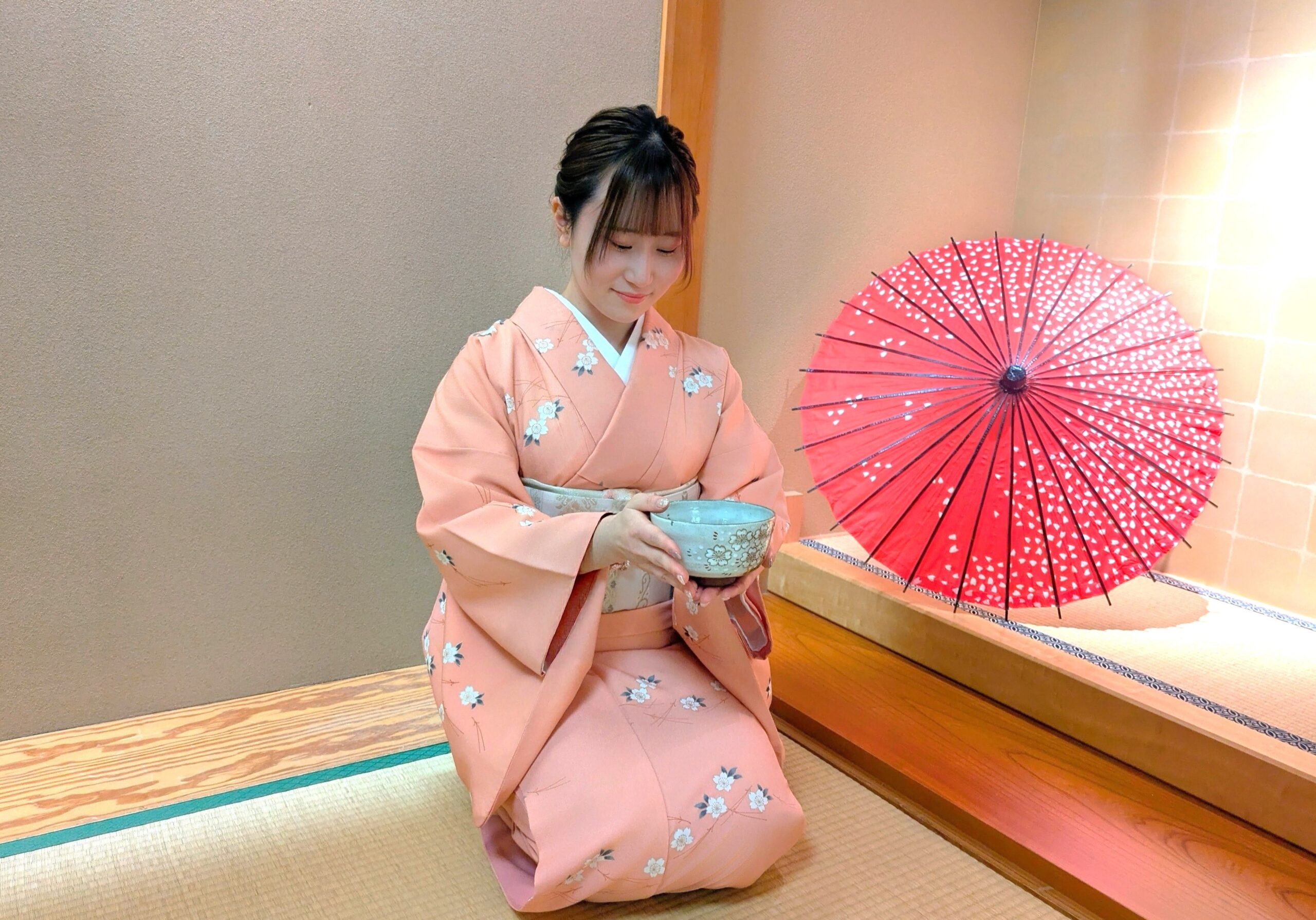
Placing yourself in a quiet space, observing the graceful hand movements performed in front of you, and feeling the warmth of the tea bowls—these are all part of the experience. As you take a sip of freshly prepared matcha and enjoy its lingering flavor, you begin to appreciate the subtle beauty of the moment.
By wearing a kimono while participating, your posture and movements naturally become more graceful, allowing you to gradually feel more connected to the calm and refined atmosphere of the Japanese Tea Ceremony.
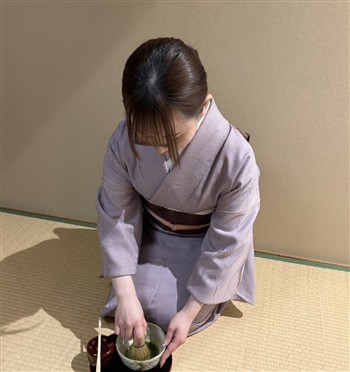
In the Japanese Tea Ceremony, there are two main types of matcha: usucha (thin tea) and koicha (thick tea). In most tea ceremony experiences, visitors are usually served usucha, which is characterized by its light texture and delicate foam. Koicha, on the other hand, is a much thicker and richer tea traditionally served at more formal tea gatherings.
Depending on the venue, some experience facilities also offer an “otemae” experience, where participants can actually prepare matcha themselves using a bamboo whisk (chasen). Because each step is carefully explained, even beginners can feel comfortable and enjoy the experience.
In Kyoto, there are also many tea spaces where visitors can enjoy matcha in a relaxed and approachable way.
Taking a moment during temple visits to enjoy matcha and traditional Japanese sweets while overlooking a garden or sitting in a quiet corner of a temple can become a deeply memorable experience, even if it is only for a short time.
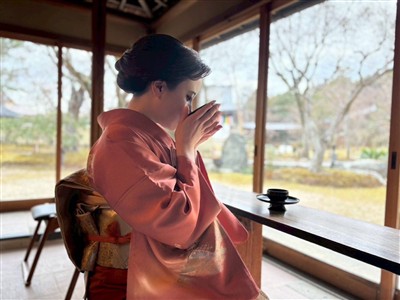
In addition to traditional tea ceremonies held on tatami mats, there is also a style called ryūrei, where participants sit at tables and chairs. This format allows even those who are not comfortable sitting in the formal kneeling position to enjoy the experience with ease.
Many large tea gatherings held in Kyoto also adopt this ryūrei style.
At these large tea events, you may also see nodate—an outdoor tea ceremony—or watch tea being prepared by Geiko and Maiko. Because these events are often conducted in the ryūrei style, they are easy for beginners to participate in and enjoy.
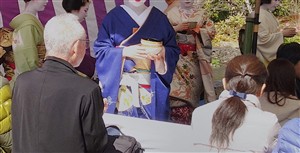
When participating in a tea ceremony experience or tea gathering in Kyoto, many visitors may wonder what kind of kimono they should choose.
Depending on the type of experience, the season, and the atmosphere of the tea room, our staff will gladly recommend a suitable kimono for you. Even first-time participants can feel comfortable and enjoy the experience with confidence.
For more formal tea gatherings—such as Hatsugama, the New Year’s tea ceremony held in Kyoto—formal kimono styles like homongi or furisode are especially recommended.
Appropriate formal kimono for occasions such as Hatsugama, including beautiful homongi and furisode, can be selected from Rental Kimono Bettei, which offers a refined collection of high-quality formal kimono.
3. Experiencing Traditional Japanese Sweets and Nerikiri Making in Kyoto
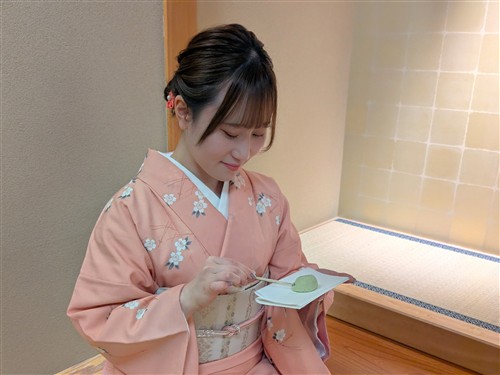
Traditional Japanese sweets are an essential part of the Japanese Tea Ceremony, adding color and beauty to the moment when matcha is enjoyed.
Among them, jōnamagashi are especially known for their delicate expressions of the changing seasons. Inspired by elements such as flowers, plants, the moon, or snow, these sweets capture the scenery of the moment in a small and beautiful form. Their charming designs often make people smile and say, “How cute.”
In Kyoto, some long-established traditional confectionery shops that have protected their craft for generations also offer hands-on experience programs. Visitors can observe the techniques that have been carefully passed down and try them for themselves.
In a wagashi-making experience, participants use prepared sweet bean paste and dough to shape, color, and decorate their own original jōnamagashi. Although the process may appear simple, the expression of each sweet changes depending on the movement of the fingers and the balance of pressure applied. In this way, the maker’s own sense and creativity naturally take shape in the final piece.
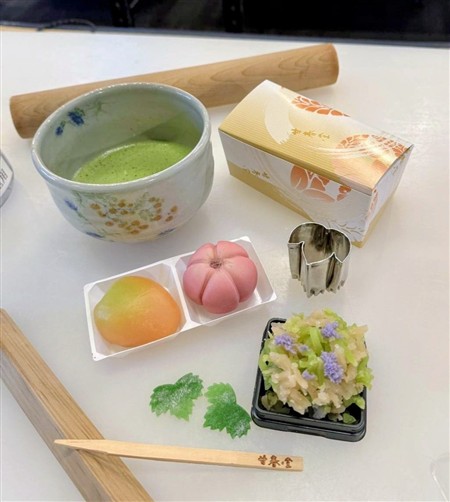
The finished wagashi can be enjoyed on the spot or taken home as a souvenir.
The entire experience—creating, admiring, and tasting—becomes a memorable moment that stays with you, together with the seasonal atmosphere of Kyoto.
4. Kiyomizu Ware and Kyo Ware Painting & Pottery Experience in Kyoto
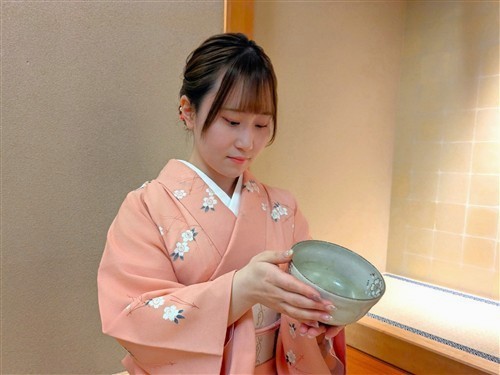
After experiencing the tea ceremony and holding a matcha bowl in your hands, you may begin to notice the beauty of the vessel itself—the patterns, colors, and careful craftsmanship.
Kyo-yaki and Kiyomizu-yaki are types of pottery that developed alongside Kyoto’s court culture and the spread of the tea ceremony. Their refined designs and elegant use of color reflect the unique aesthetic sensibilities of Kyoto.
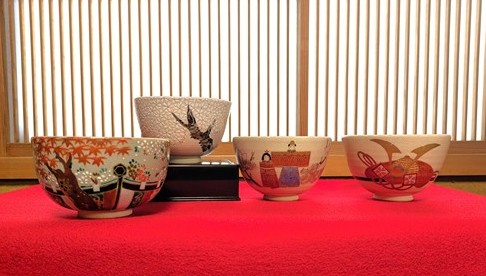
In a pottery experience, you can feel the very process of how a vessel is created by touching the clay and shaping it with your hands.
The time spent adjusting the thickness and curves through hand-building or using a pottery wheel is a quiet moment in which the character of the piece gradually takes form. As you shape the clay while reflecting on the long tradition of craftsmanship behind Kyo-yaki and Kiyomizu-yaki, you can gently sense the depth and meaning of handmade artistry.
In a painting experience, you can also explore the aesthetic sensibilities unique to Kyoto pottery while choosing patterns and color combinations. By working with traditional motifs—such as flowers, plants, and auspicious designs—that have been passed down through Kyoto ceramics, you gradually begin to appreciate the meaning behind the decorations and the personality each vessel holds.
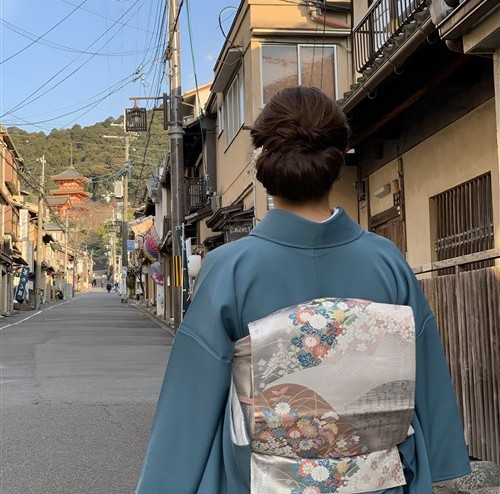
After the experience, the finished piece is usually delivered to you at a later date. When it finally arrives, that moment quietly reconnects the experience to your daily life, bringing back memories of your journey.
Even today, many kilns and specialty shops line the streets around Gojo-zaka and Chawan-zaka in Kyoto. On the way back from visiting Kiyomizu-dera, you may find yourself picking up a piece of pottery. A vessel created through a painting or pottery experience can later bring gentle reminders of Kyoto into your everyday life.
5. Sutra Copying Experience and Garden Appreciation in Kyoto
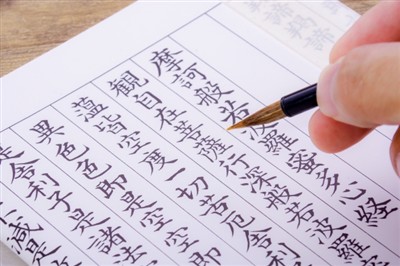
A sutra-copying experience (shakyo) held at temples in Kyoto is a quiet activity in which you carefully trace characters one by one using a brush and a sample text.
By focusing on each character, your posture and movements naturally become calm and steady. The scent of the ink, the feeling of the brush in your hand, and the lines that gradually appear on the paper—each moment spent writing a single character at a time becomes a unique and meditative experience that is distinctive to shakyo.
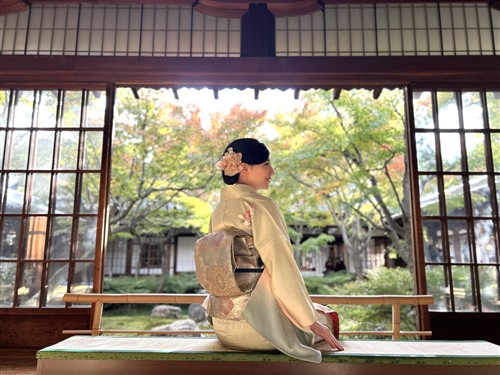
After completing the sutra-copying experience, you can spend a quiet moment reflecting while looking out over the temple grounds or garden.
The scenery of the garden—arranged with moss, stones, and trees—invites you to appreciate the gentle presence of wind, light, and the changing seasons in a peaceful atmosphere in Kyoto.
6. Other Cultural Experiences in Kyoto
In Kyoto, there are many other cultural experiences that allow visitors to connect with the city’s traditions and aesthetic sensibilities beyond those introduced above.
These include activities such as incense appreciation (kōdō), tie-dyeing and textile dyeing experiences, flower arrangement (ikebana), kintsugi (the art of repairing pottery with gold), tōsenkyō (a traditional fan-tossing game), Kyoto cloisonné (Kyō-shippō), Kyō-karakami decorative paper, learning to make dashi for Kyoto cuisine, and visiting traditional Kyoto townhouses (machiya).
The range of cultural experiences found in Kyoto—long known as a center of Japanese culture and aesthetics—is remarkably diverse.
By incorporating these kinds of activities into your sightseeing plans, the time you spend in Kyoto can become even more meaningful and memorable.
7. Discovering a New Way to Travel Through Cultural Experiences in Kyoto
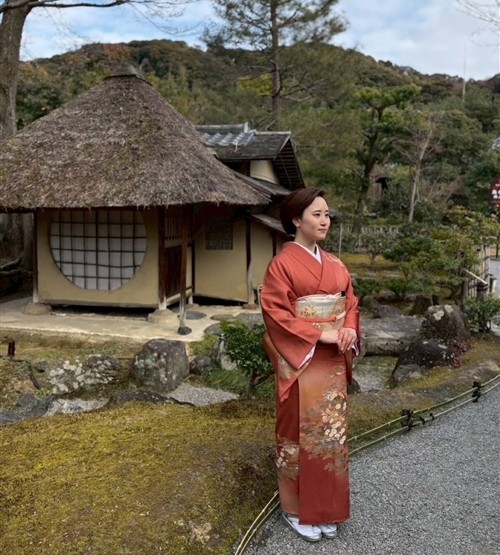
In Kyoto, there are moments that stay with you not only by seeing them, but by experiencing them yourself.
The Japanese Tea Ceremony, making traditional sweets, painting Kyo-yaki and Kiyomizu-yaki, sutra copying, and appreciating Japanese gardens—these are just a few examples. Walking through Kyoto in a kimono is also one of these memorable cultural experiences.
Most of these activities require no special preparation, and many can be enjoyed empty-handed. Even first-time participants can join with ease and confidence.
Both wearing a kimono and taking part in cultural experiences are ways to appreciate Kyoto more deeply. Beyond simply visiting famous landmarks, you begin to notice the graceful movements, the atmosphere of each place, the textures of materials, the quietness, and the subtle beauty of color. Through experience, Kyoto begins to feel much closer and more personal.
Many cultural experience venues also warmly welcome visitors who arrive in kimono. Regardless of what you wear, the most important thing is simply the desire to enjoy the moment. Being able to participate casually, even on the same day without special preparation, is one of the unique charms of Kyoto.
People visit Kyoto for many different reasons, but by incorporating a kimono experience or cultural activity into your day, your journey can become richer and more memorable.
Through a kimono experience in Kyoto, we hope to help make your special day truly unforgettable.
Discover a side of Kyoto that goes beyond sightseeing.
Enjoy a journey filled with meaningful cultural experiences.
We look forward to welcoming you at Rental Kimono Okamoto, produced by a long-established company with over 190 years of history.
Website: www.okamoto-kimono.com
Instagram: @rentalkimonookamoto
TikTok: @rentalkimono_okamoto
Facebook: Rental Kimono Okamoto
X (formerly Twitter): @okamotokimono
Lit.link: lit.link/rentalkimonookamoto



Arashiyama Shop
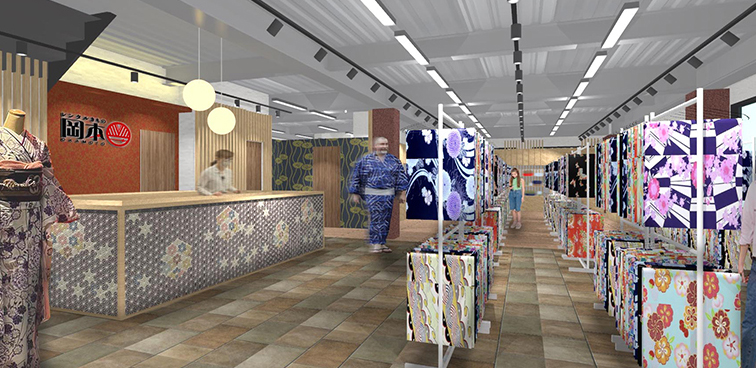
48-4 Saga Tenryuji Kitatsukurimichicho, Ukyo-ku, Kyoto 616-8374, Japan
Phone: +81-75-950-0805 / Fax: +81-75-950-0806 / E-mail: arashiyama@okamoto-kimono.com
Nearest Station: Arashiyama (Randen Line) / JR Saga-Arashiyama Station
Rental Kimono Okamoto - Fushimi Inari shop
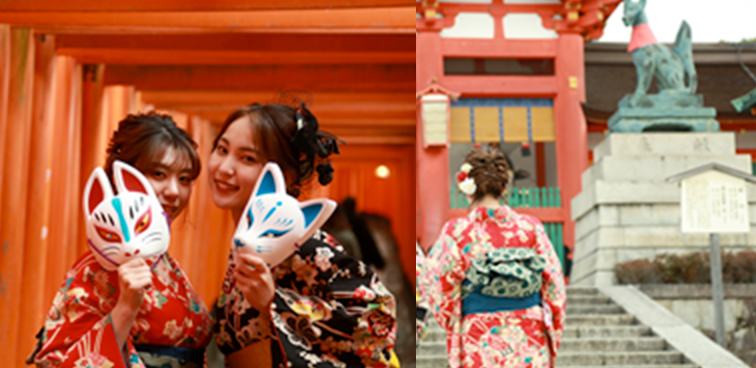
45-1, Fukakusa Inarinakanocho, Kyoto Shi Fushimi Ku, Kyoto Fu, 612-0807, Japan
Tel. +81-75-634-8900 / FAX +81-75-634-8901 / E-mail E-mail fushimiinari@okamoto-kimono.com
Nearest Station: JR Inari Station / Keihan Fushimi Inari Station
Rental Kimono Okamoto Gion Shop
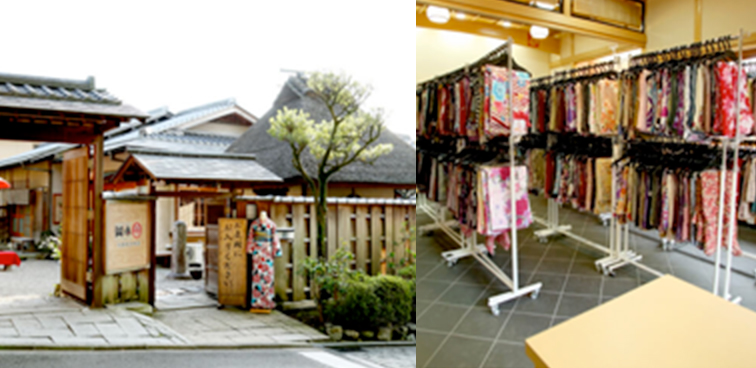
523 Washiocho, Higashiyama-ku, Kyoto 605-0072
Tel. +81-75-531-7890 / FAX +81-75-531-8383 / E-mail gion@okamoto-kimono.com
Nearest stop: City Bus Gion Stop
Rental Kimono Okamoto Kiyomizu Higashiyama Shop
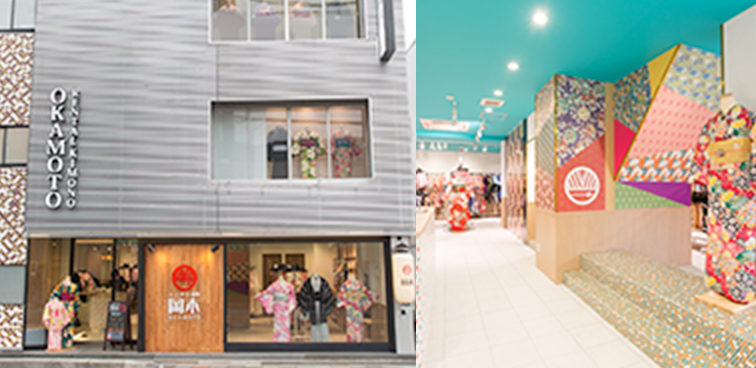
110-9 Tatsumicho, Higashiyama-ku, Kyoto 605-0855
Tel. +81-75-533-8900 / FAX +81-75-533-8910 / E-mail kiyomizuhigasiyama@okamoto-kimono.com
Nearest stop: City Bus Kiyomizumichi stop
Rental Kimono Okamoto Kiyomizu Shop
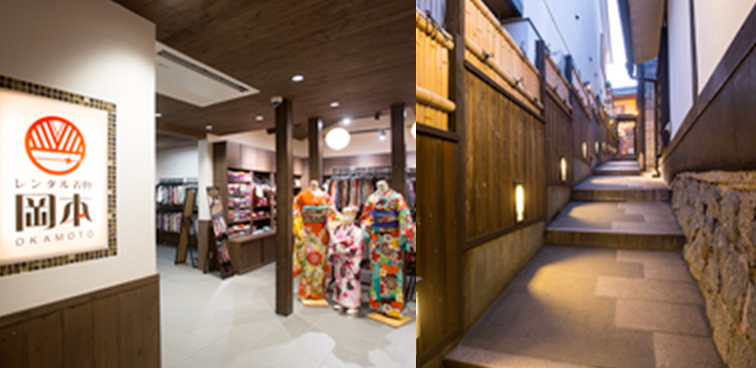
2-237-1-1 Kiyomizu, Higashiyama-ku, Kyoto 605-0862
Tel. +81-75-525-7115 / FAX +81-75-533-8960 / E-mail kiyomizuzaka@okamoto-kimono.com
Nearest stop: City Bus Kiyomizumichi stop
Rental Kimono Okamoto Main Shop
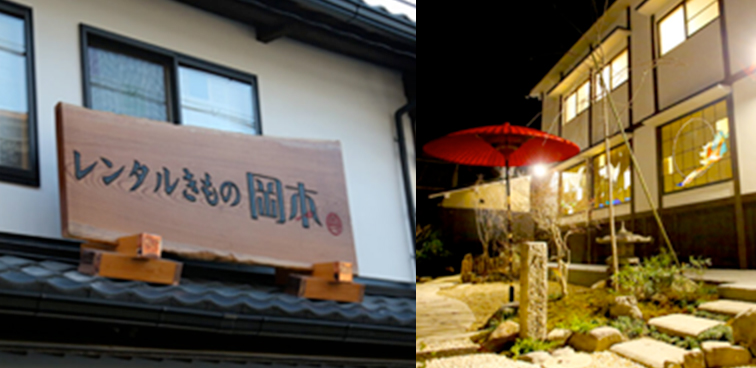
6-546-8 Gojohashihigashi, Kyoto Higashiyama-ku, Kyoto 605-0846
Tel. +81-75-532-1320 /Fax +81-75-532-1480 / E-mail honten@okamoto-kimono.com
Nearest stop: City Bus Gojozaka Stop
Rental Kimono Okamoto Yasaka Jinja Shop
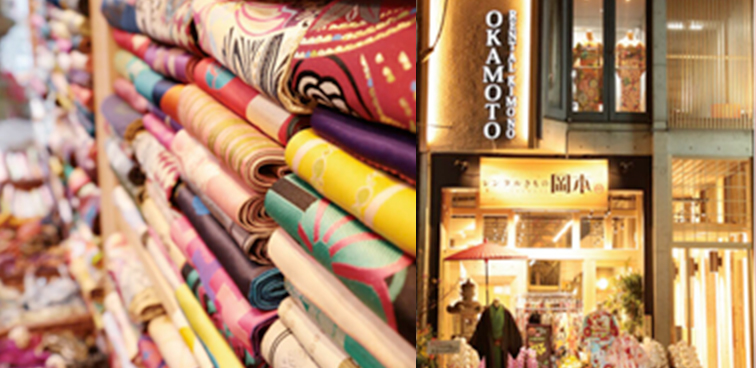
301-1 Gioncho, Higashiyama-ku, Kyoto 605-0073
Tel. +81-75-532-0510 / FAX +81-75-532-0511 / E-mail yasakajinja@okamoto-kimono.com
Nearest stop: City Bus Gion Stop
You can read articles about various information on Kyoto.
Our kyoto resident staffs post articles about history, sightseeing, regional information of Kyoto. You may enjoy sightseeing even more by deepening your knowledge through this article.