



special fearure・column
Stylish Kimono Looks for Men Too ♪ Trending Now: Men’s Hakama & Casual Kimono Styles (Kinagashi)
- What’s the Difference Between Men’s Hakama and Kinagashi?
- • What is Men’s Hakama?
- • What is Men’s Kinagashi?
- • Comparing Men’s Hakama and Kinagashi
- • Which Should You Choose for Kimono Rental in Kyoto?
- • Enjoy Your Kyoto Kimono Experience in a Style That Suits You
- Types of Men’s Hakama and What Is Montsuki Hakama?
- • Basics of Men’s Hakama
- • Types of Men’s Hakama (1): Andon Hakama
- • Types of Men’s Hakama (2): Umanori Hakama
- • What is Montsuki Hakama?
- • Difference Between Men’s Hakama and Montsuki Hakama
- • Tips for Choosing Men’s Hakama in Kyoto
- • Discover the Different Types of Men’s Hakama and Find Your Ideal Style
What’s the Difference Between Men’s Hakama and Kinagashi?
Essential Basics to Know Before Renting a Kimono in Kyoto
One of the most common questions we receive from male customers considering kimono rental in Kyoto is: “What’s the difference between hakama and kinagashi?”
Both are traditional Japanese styles, but they differ greatly in appearance and purpose.
Here, we’ll clearly explain the differences between men’s hakama and men’s kinagashi.
• What is Men’s Hakama?
A formal, dignified, and classic style with a refined impression
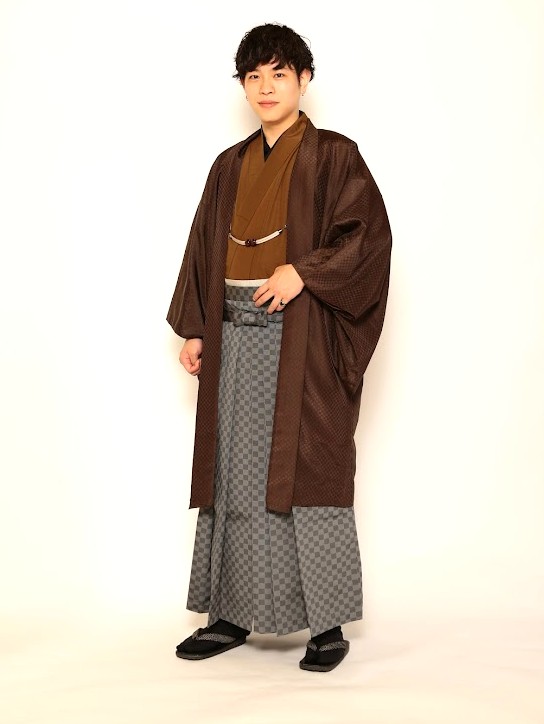
Men’s hakama refers to a style in which hakama trousers are worn over a kimono.
Hakama are shaped like wide-legged trousers that cover the body from the waist down, creating a clean and structured silhouette. Originally worn by samurai and for formal attire, hakama are still regarded as a highly formal style today. For this reason, they are especially recommended for occasions such as:
Graduation ceremonies
Commemorative photoshoots
Formal sightseeing in Kyoto
Creating special memories for important occasions
By pairing men’s hakama with kimono in calm, understated colors, you can achieve a more mature and dignified look. This style is highly photogenic and popular among those who want a refined and special experience.
• What is Men’s Kinagashi?
A relaxed, natural, and easy-to-enjoy casual style
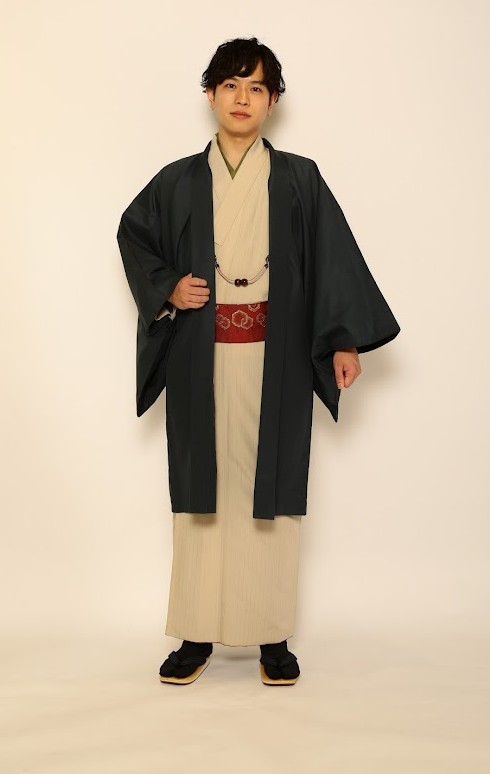
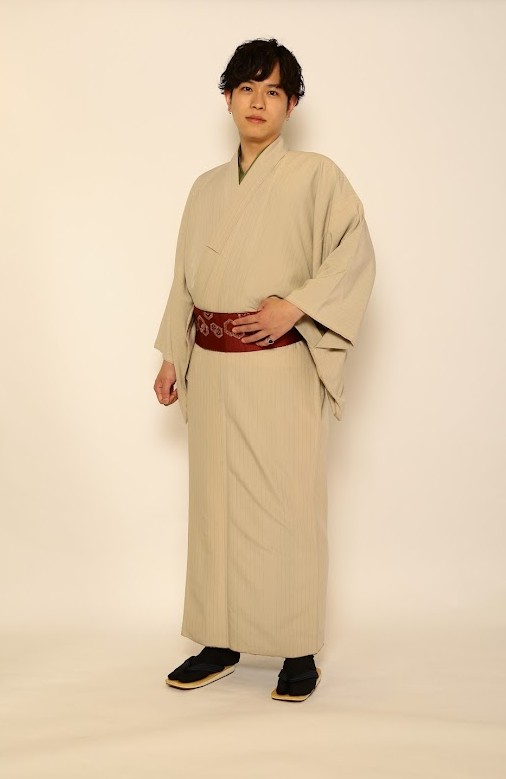
On the other hand, men’s kinagashi is a simple style worn without hakama, consisting only of a kimono and an obi belt.
It features a straight, flowing silhouette that falls naturally to the feet, creating a relaxed and effortless impression.
During the Edo period, this style was commonly worn by townspeople in their daily lives, and today it is popular as an easy, casual way to enjoy traditional Japanese clothing.
Recommended occasions include:
Strolling around Kyoto
Street food hopping and sightseeing
Kimono dates for couples
First-time kimono experiences
It’s comfortable and easy to move in, making it ideal for long hours of sightseeing. This style is especially recommended for men trying kimono for the first time, offering a simple yet stylish and refined look.
• Comparing Men’s Hakama and Kinagashi
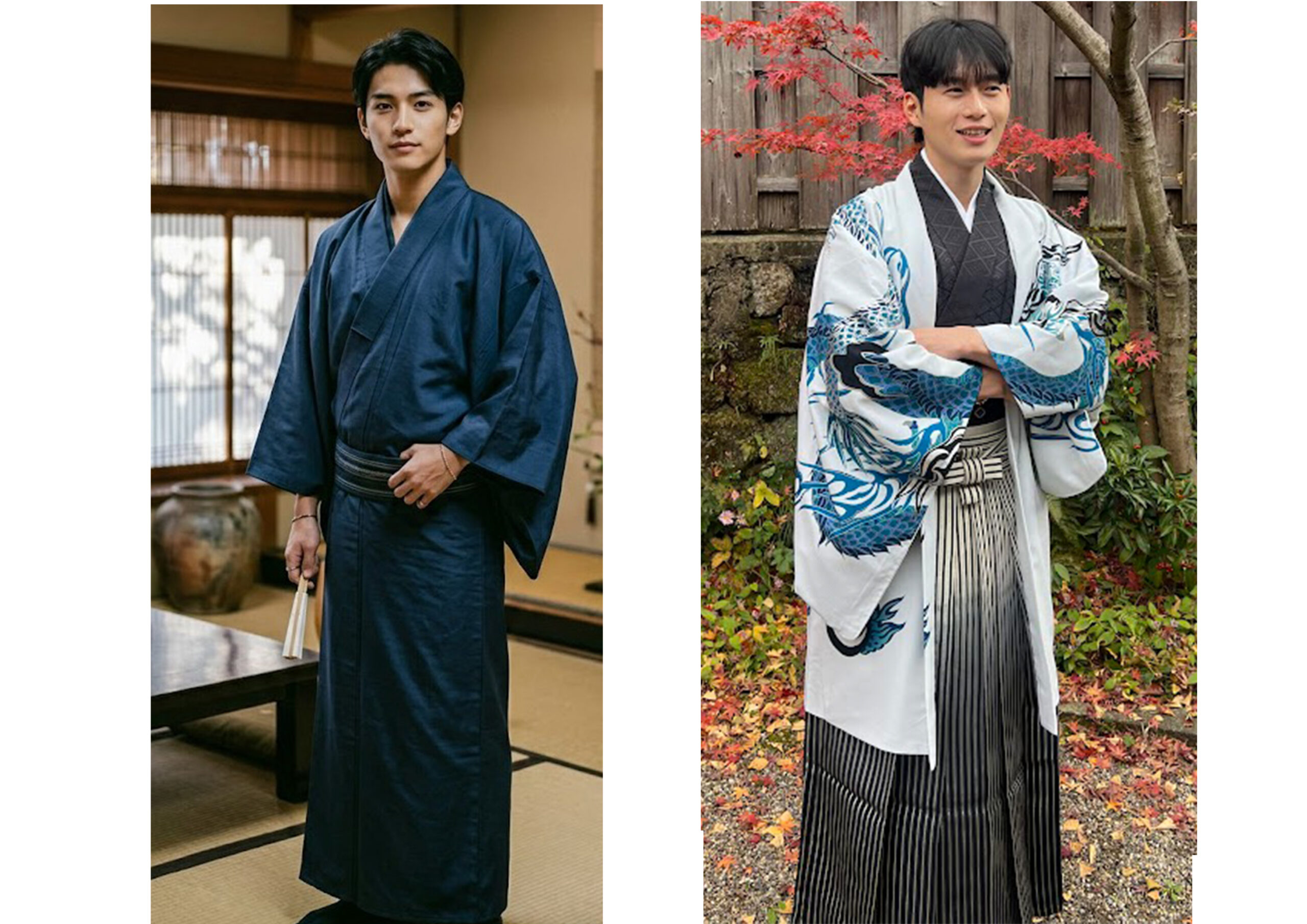
The main differences between men’s hakama and kinagashi are as follows:
Presence of Hakama
Hakama style includes hakama trousers, while kinagashi is worn without them
Overall Impression
Hakama is formal and structured, while kinagashi is casual and relaxed
Ease of Movement
Kinagashi is easier to move in and better suited for sightseeing
Recommended Occasions
Hakama is ideal for special occasions and photoshoots, while kinagashi is perfect for strolling around town or casual dates
• Which Should You Choose for Kimono Rental in Kyoto?
When renting a kimono for sightseeing in Kyoto, it’s important to choose a style that matches your purpose.
If you want to enjoy a more formal look and create a special, memorable experience, men’s hakama is a great choice.
If you prefer a more relaxed style for casually exploring the streets of Kyoto, men’s kinagashi is highly recommended.
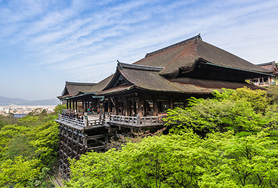
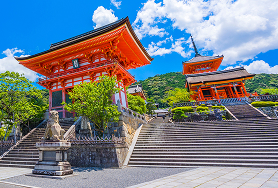
Both styles beautifully complement Kyoto’s charming scenery, allowing you to take stunning photos at popular spots such as Kiyomizu-dera, Gion, and Arashiyama.
• Enjoy Your Kyoto Kimono Experience in a Style That Suits You
Men’s hakama and men’s kinagashi each have their own unique appeal.
If you value formality and a sense of occasion, hakama is the perfect choice. If you prefer comfort and a more relaxed feel, kinagashi is highly recommended.
To make the most of your kimono rental experience in Kyoto, take the time to understand the differences and choose the style that suits you best.
Exploring Kyoto in a kimono will surely become a truly special and unforgettable memory.
Types of Men’s Hakama and What Is Montsuki Hakama?
Essential Basics to Know Before Renting a Kimono in Kyoto
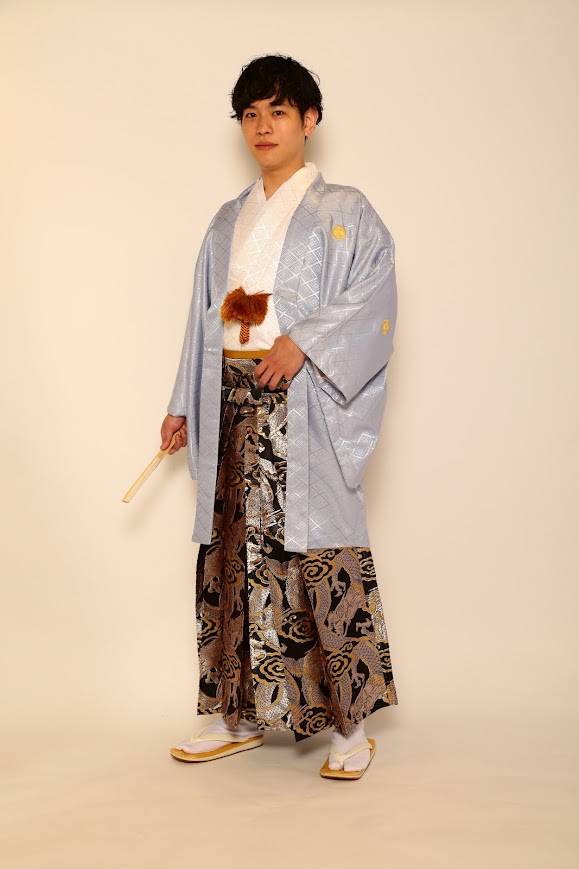
For men considering kimono rental in Kyoto, terms like “types of hakama” and “montsuki hakama” may feel a bit unfamiliar.
In fact, there are several types of men’s hakama, and the way you choose them can vary depending on the occasion and level of formality.
Here, we’ll clearly introduce the different types of men’s hakama and explain the key features of montsuki hakama.
• Basics of Men’s Hakama
A Traditional Style Chosen by Formality and Occasion
Men’s hakama is a traditional Japanese garment worn over a kimono, offering a wide range of styles from formal to casual.
Whether for sightseeing in Kyoto, commemorative photos, or special events, it’s important to choose the right hakama to suit the occasion.
• Types of Men’s Hakama (1): Andon Hakama
Andon hakama is the most commonly worn type of hakama today.
It has a skirt-like, tubular shape without divided legs, which is its defining feature.
With its clean appearance and ease of dressing, it is widely used in kimono rental shops.
Key features:
Simple and elegant silhouette
Easy to move in, suitable for sightseeing
Beginner-friendly and easy to wear
This well-balanced hakama style is perfect for strolling around Kyoto and taking photos.
• Types of Men’s Hakama (2): Umanori Hakama
Umanori hakama is characterized by its divided inner structure, making it similar to trousers.
It was originally worn by samurai when riding horses, which is how it got its name.
Key features:
Easy to move in and highly functional
Traditional, with a strong samurai-like impression
Suitable for formal occasions
With its powerful appearance, this style is popular among those who want to create a sharp and dignified look.
• What is Montsuki Hakama?
The Most Formal Style in Men’s Traditional Wear
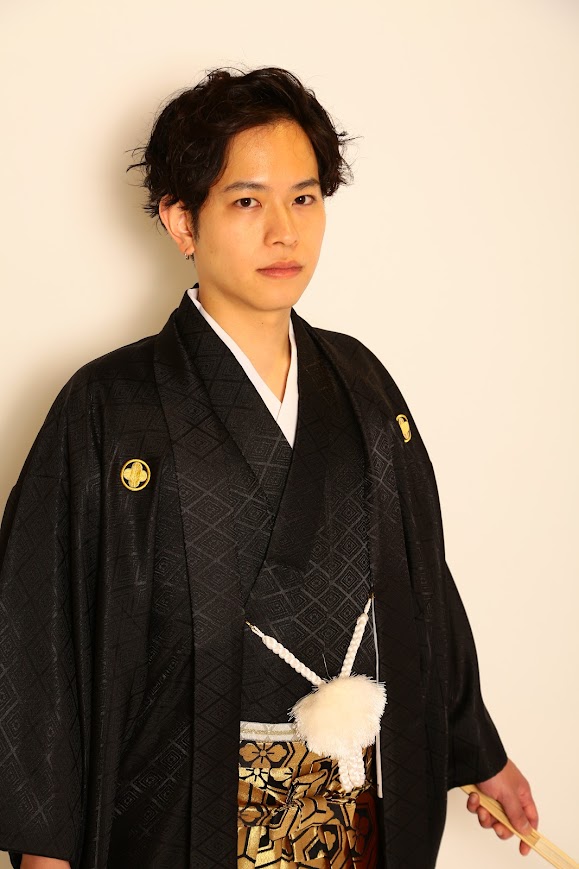
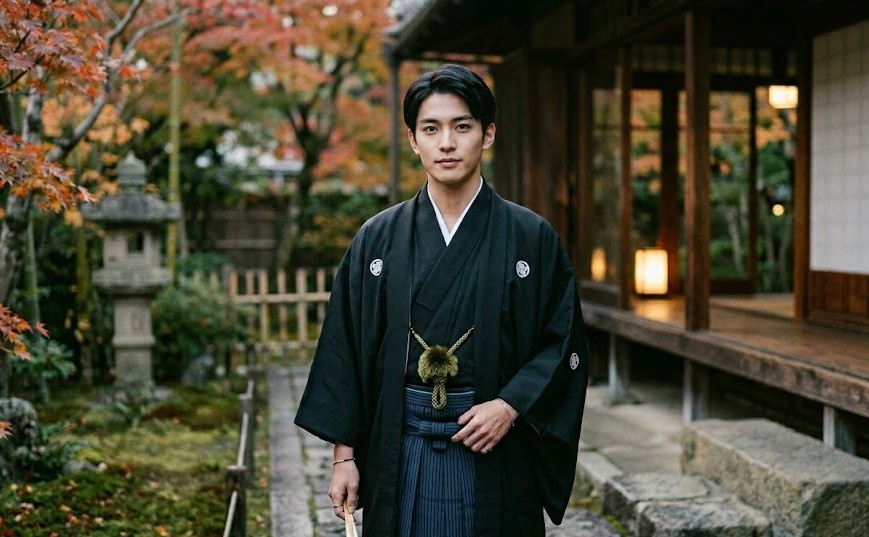
Montsuki hakama is the most formal style of men’s traditional attire, consisting of a kimono bearing a family crest paired with hakama.
It is also known as “montsuki haori hakama” and is regarded as formal ceremonial wear.
Typically, the most formal version features a black kimono with five family crests, and it is worn for occasions such as weddings, coming-of-age ceremonies, and other important events.
Key features:
Formal attire featuring a family crest
A dignified look based on black tones
High level of formality suitable for special occasions
In Kyoto kimono rental, this style is often chosen for special photoshoots, proposals, and photo weddings.
• Difference Between Men’s Hakama and Montsuki Hakama
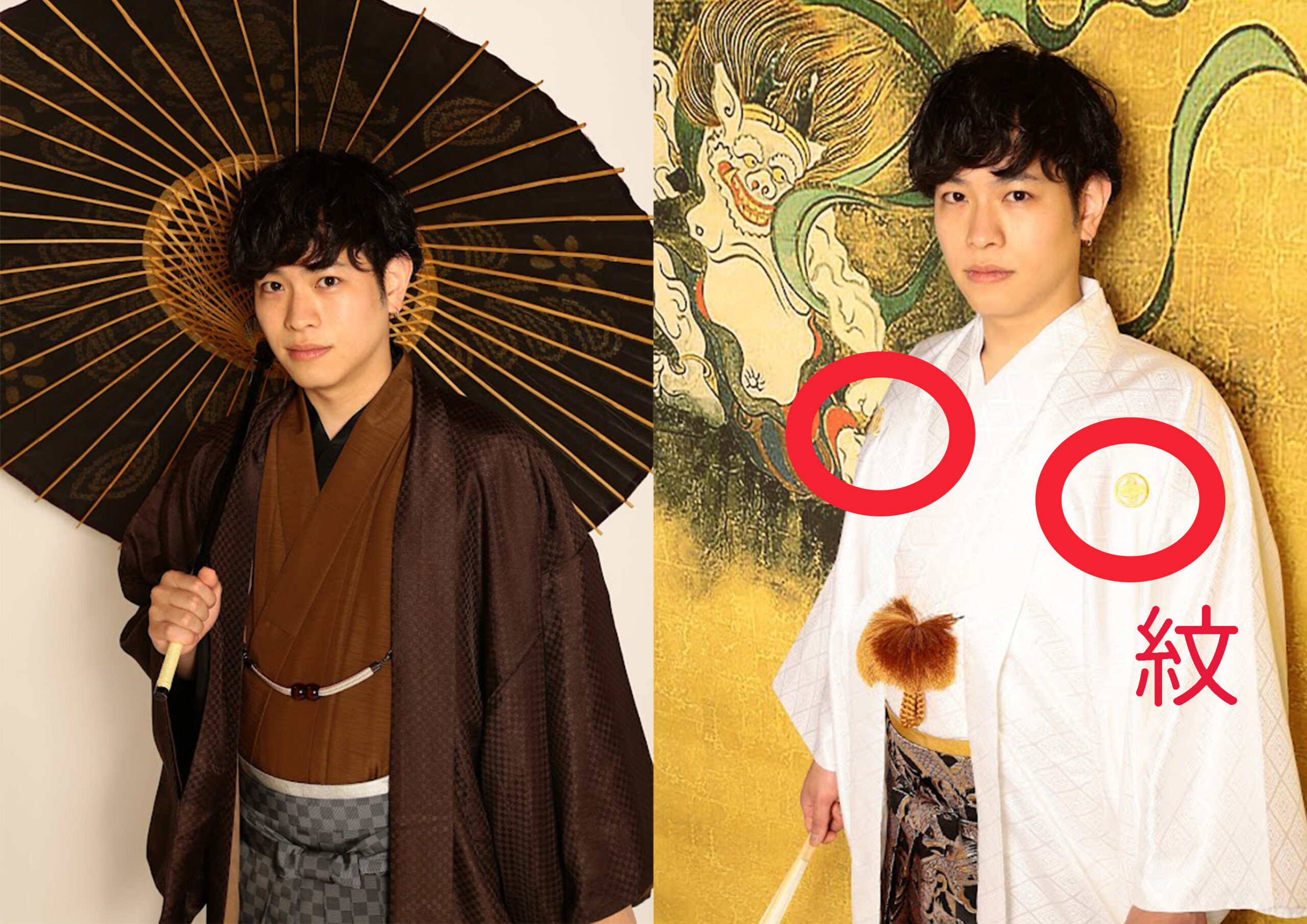
“Men’s hakama” refers simply to the type of garment (hakama itself), while “montsuki hakama” refers to a complete, highly formal outfit.
Men’s Hakama
Refers to the hakama as an item, covering a wide range of styles from casual to formal
Montsuki Hakama
A formal ensemble consisting of a crested kimono paired with hakama
In other words, regardless of the type of hakama, the addition of a family crest elevates the outfit to a much higher level of formality.
• Tips for Choosing Men’s Hakama in Kyoto
When renting a kimono for sightseeing in Kyoto, it’s important to choose the type of hakama based on your purpose.
For sightseeing and strolling around the city
Enjoy a relaxed experience with andon hakama
For photoshoots or special occasions
Choose umanori hakama or montsuki hakama for a more refined and formal look
Hakama styles pair beautifully with Kyoto’s charming scenery, such as Kiyomizu-dera, Gion, and Arashiyama.
In particular, montsuki hakama offers a strong sense of exclusivity, making it perfect for those who want to capture truly memorable photos.
• Discover the Different Types of Men’s Hakama and Find Your Ideal Style
There are several types of men’s hakama, such as andon hakama and umanori hakama, each with its own unique characteristics.
Among them, montsuki hakama stands out as the most formal and distinguished style.
To make the most of your kimono rental experience in Kyoto, take the time to understand the different types and choose a style that suits your purpose.
Exploring Kyoto in traditional attire will surely become an unforgettable experience.
In this season when fresh greenery shines so beautifully, why not take a leisurely stroll through Kyoto’s charming streets in a kimono and fully अनुभव the beauty of Japanese culture?
At Okamoto Kimono Rental, we are here to help make your Kyoto trip even more memorable.
All of our staff look forward to welcoming you.
Website: www.okamoto-kimono.com
Instagram: @rentalkimonookamoto
TikTok: @rentalkimono_okamoto
Facebook: Rental Kimono Okamoto
X (formerly Twitter): @okamotokimono
Lit.link: lit.link/rentalkimonookamoto



Arashiyama Shop
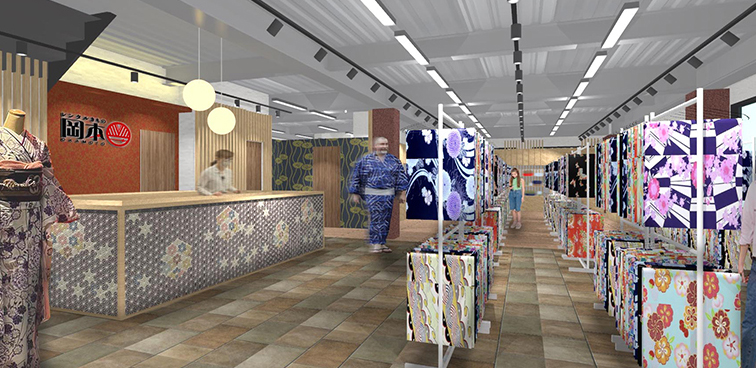
48-4 Saga Tenryuji Kitatsukurimichicho, Ukyo-ku, Kyoto 616-8374, Japan
Phone: +81-75-950-0805 / Fax: +81-75-950-0806 / E-mail: arashiyama@okamoto-kimono.com
Nearest Station: Arashiyama (Randen Line) / JR Saga-Arashiyama Station
Rental Kimono Okamoto - Fushimi Inari shop
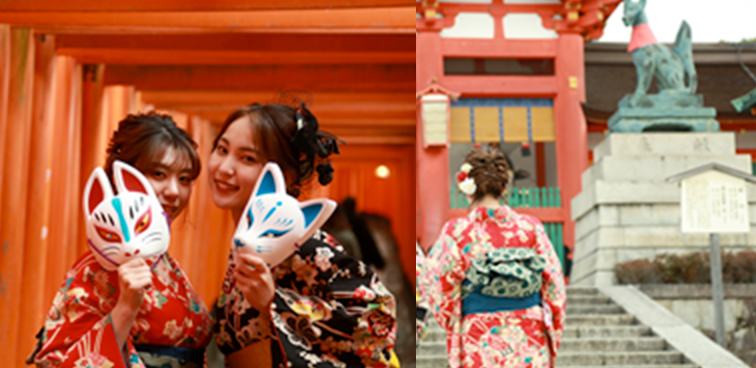
45-1, Fukakusa Inarinakanocho, Kyoto Shi Fushimi Ku, Kyoto Fu, 612-0807, Japan
Tel. +81-75-634-8900 / FAX +81-75-634-8901 / E-mail E-mail fushimiinari@okamoto-kimono.com
Nearest Station: JR Inari Station / Keihan Fushimi Inari Station
Rental Kimono Okamoto Gion Shop
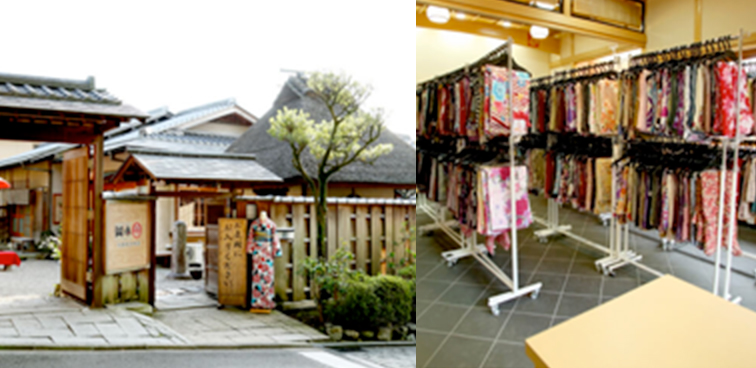
523 Washiocho, Higashiyama-ku, Kyoto 605-0072
Tel. +81-75-531-7890 / FAX +81-75-531-8383 / E-mail gion@okamoto-kimono.com
Nearest stop: City Bus Gion Stop
Rental Kimono Okamoto Kiyomizu Higashiyama Shop
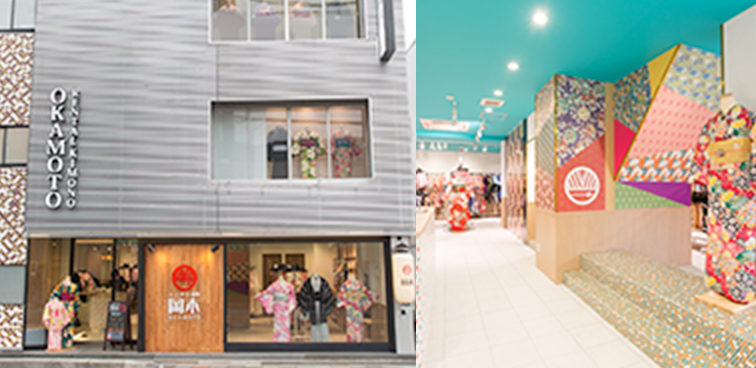
110-9 Tatsumicho, Higashiyama-ku, Kyoto 605-0855
Tel. +81-75-533-8900 / FAX +81-75-533-8910 / E-mail kiyomizuhigasiyama@okamoto-kimono.com
Nearest stop: City Bus Kiyomizumichi stop
Rental Kimono Okamoto Kiyomizu Shop
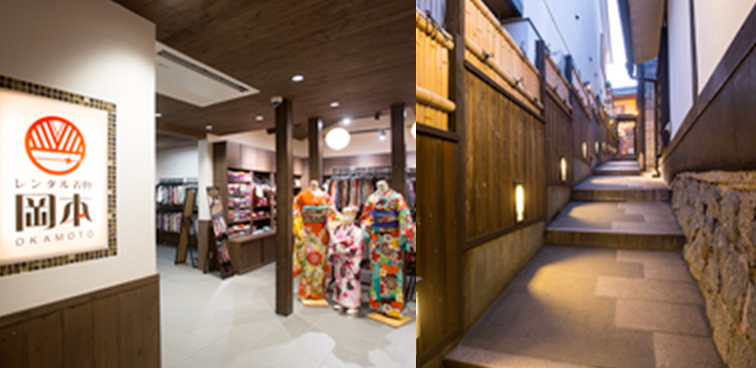
2-237-1-1 Kiyomizu, Higashiyama-ku, Kyoto 605-0862
Tel. +81-75-525-7115 / FAX +81-75-533-8960 / E-mail kiyomizuzaka@okamoto-kimono.com
Nearest stop: City Bus Kiyomizumichi stop
Rental Kimono Okamoto Main Shop
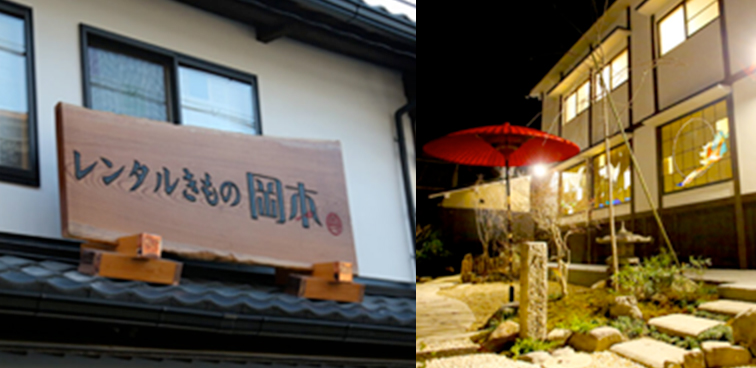
6-546-8 Gojohashihigashi, Kyoto Higashiyama-ku, Kyoto 605-0846
Tel. +81-75-532-1320 /Fax +81-75-532-1480 / E-mail honten@okamoto-kimono.com
Nearest stop: City Bus Gojozaka Stop
Rental Kimono Okamoto Yasaka Jinja Shop
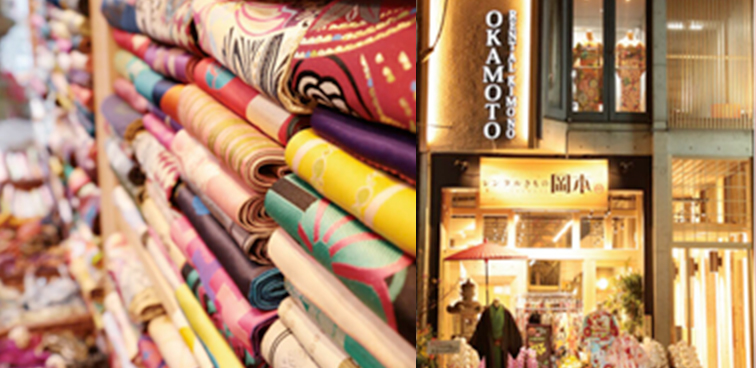
301-1 Gioncho, Higashiyama-ku, Kyoto 605-0073
Tel. +81-75-532-0510 / FAX +81-75-532-0511 / E-mail yasakajinja@okamoto-kimono.com
Nearest stop: City Bus Gion Stop
You can read a feature story about our store, Kyoto and kimono.
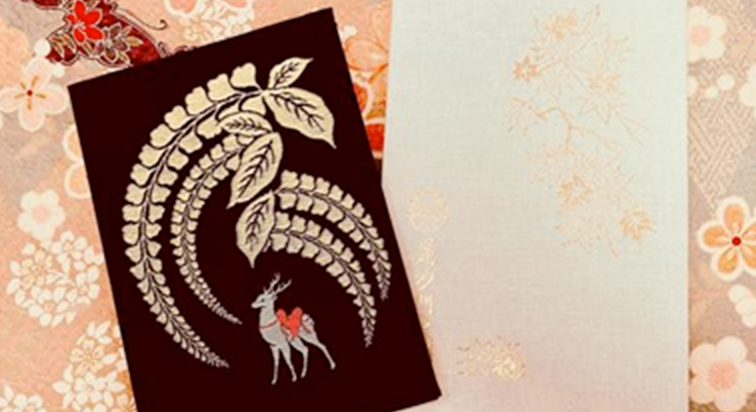
We are introducing various information on proper way of choosing kimono and others to match. Also you can access to our articles about regional, sightseeing information of Kyoto you can refert to before travelling to Kyoto.
You can read our own articles about formal kimono.
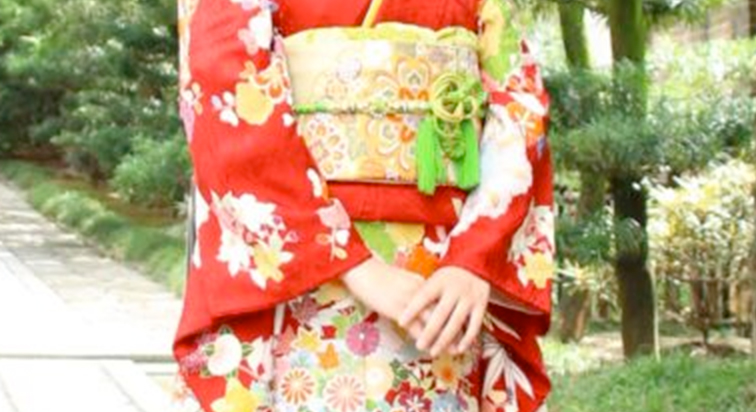
We are introducing formal kimono for special occasions such as wedding, coming of age ceremony, and graduation. You may learn how to choose kimono and how you can look smart in it. Please take a look if you want to become more familiar with kimono as a formal wear.
You can view articles about kimono all written by us.
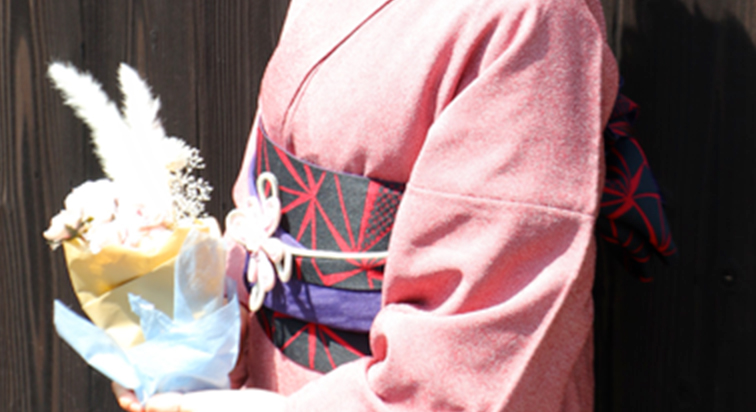
It features various articles about kimono such as history, manner, common sense and a proper way of matching kimono. They will add fun to your going out in kimono.